




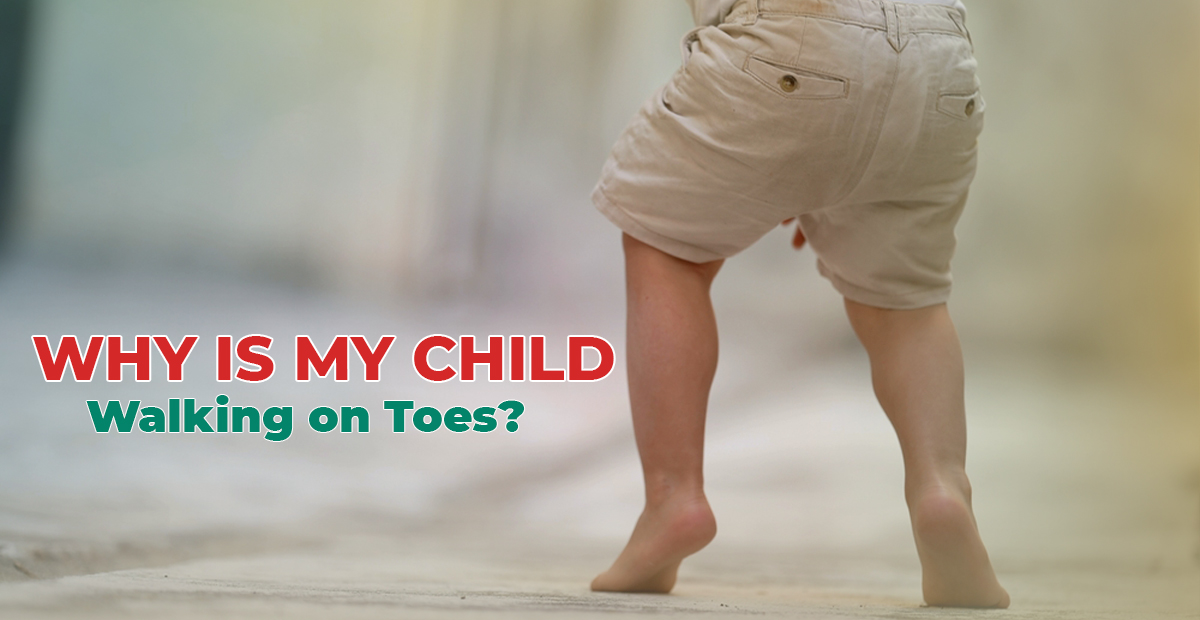
Why Is My Child Walking on Toes? Is This a Problem? Causes and Treatment Options
Many parents become concerned when they notice, “Why is my child walking on toes instead of placing the entire foot on the ground?”
While occasional toe walking is common in toddlers who are learning to walk, persistent toe walking beyond a certain age may require evaluation by an orthopedic specialist.
If you are a parent in Hebbal, Kempapura, Coffee Board Layout, Manyata Tech Park, Jakkur, or North Bangalore, this guide will help you understand why children walk on their toes, when it may be normal, and when professional assessment is necessary.
What Is Toe Walking?
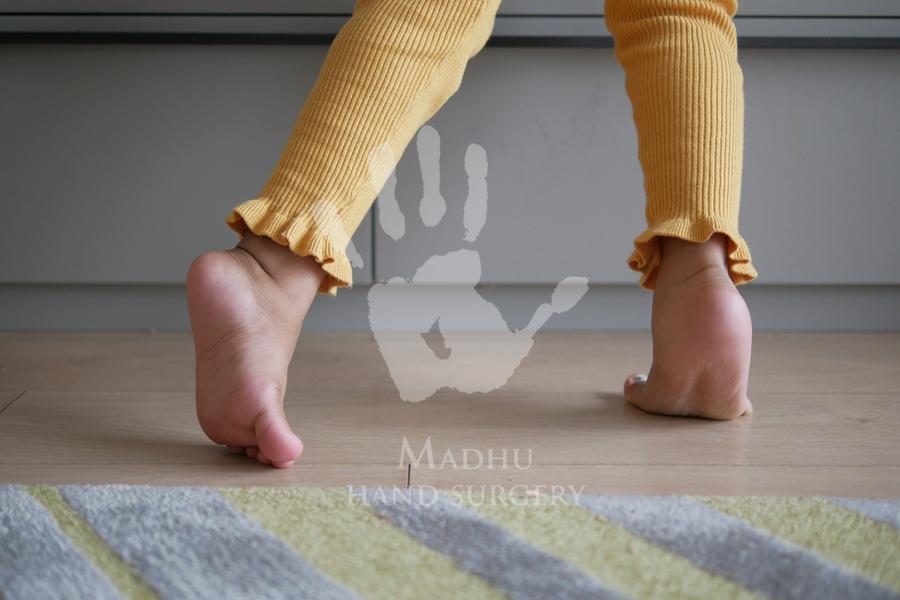
Toe walking occurs when a child walks primarily on the balls of the feet without allowing the heels to touch the ground.
Many children experiment with toe walking while learning to walk. In most cases, they gradually develop a normal walking pattern.
However, persistent toe walking after the age of 2–3 years may need further evaluation.
Is Toe Walking Always a Problem?
The simple answer is No.
Many children who walk on their toes have no underlying medical condition. This is known as Idiopathic Toe Walking, meaning there is no identifiable cause.
However, persistent toe walking can sometimes indicate:
- Tight calf muscles
- Neurological conditions
- Developmental disorders
- Muscle disorders
- Orthopedic abnormalities
The key is determining whether the child can voluntarily walk with the heels touching the ground.
Common Causes of Toe Walking
1. Idiopathic Toe Walking
This is the most common cause.
Characteristics include:
✔ Healthy child
✔ Normal development
✔ No neurological problems
✔ Able to walk normally when asked
Many children gradually outgrow this pattern.
2. Tight Achilles Tendon
The Achilles tendon connects the calf muscles to the heel bone.
When tight, it limits ankle movement and makes heel contact difficult.
Symptoms include:
- Persistent toe walking
- Difficulty squatting
- Reduced ankle flexibility
3. Cerebral Palsy
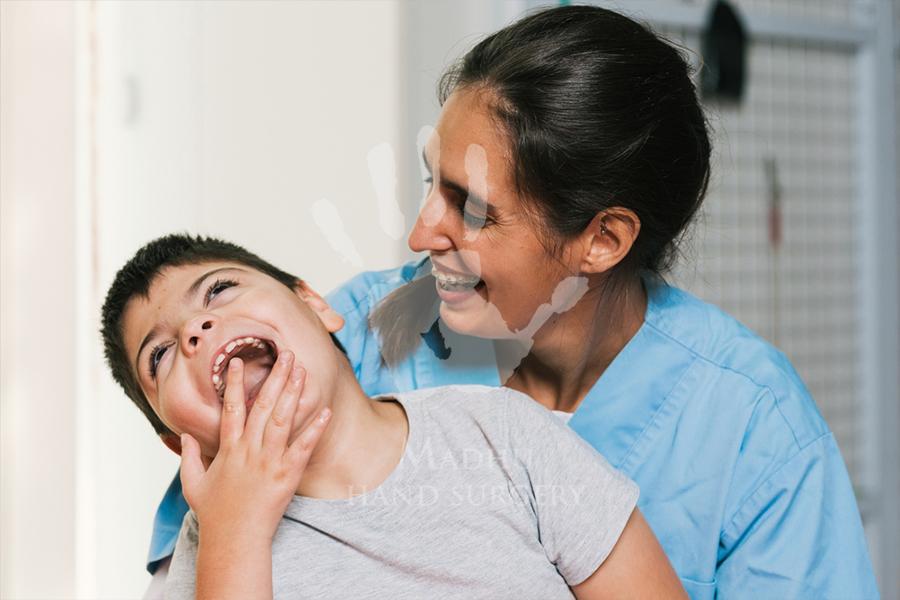
Some children with mild cerebral palsy may walk on their toes because of increased muscle tightness.
Other signs may include:
- Delayed milestones
- Muscle stiffness
- Balance difficulties
Early diagnosis significantly improves outcomes.
4. Autism Spectrum Disorder
Toe walking is more common in children with autism.
Not every child with toe walking has autism, but persistent toe walking combined with communication or behavioral concerns may warrant evaluation.
5. Muscular Dystrophy and Neuro-muscular Conditions
Rarely, toe walking may be associated with muscle disorders.
Symptoms may include:
- Frequent falls
- Difficulty climbing stairs
- Weakness
Delayed motor development
When Should Parents Be Concerned?
Consult an orthopedic specialist if:
✔ Toe walking persists beyond 2–3 years of age
✔ Child cannot place heels on the ground
✔ One foot is affected more than the other
✔ There is pain or frequent falls
✔ Child appears clumsy or unsteady
✔ Developmental milestones are delayed
✔ Toe walking is becoming more pronounced
Early assessment helps identify whether treatment is required.

How Is Toe Walking Evaluated?
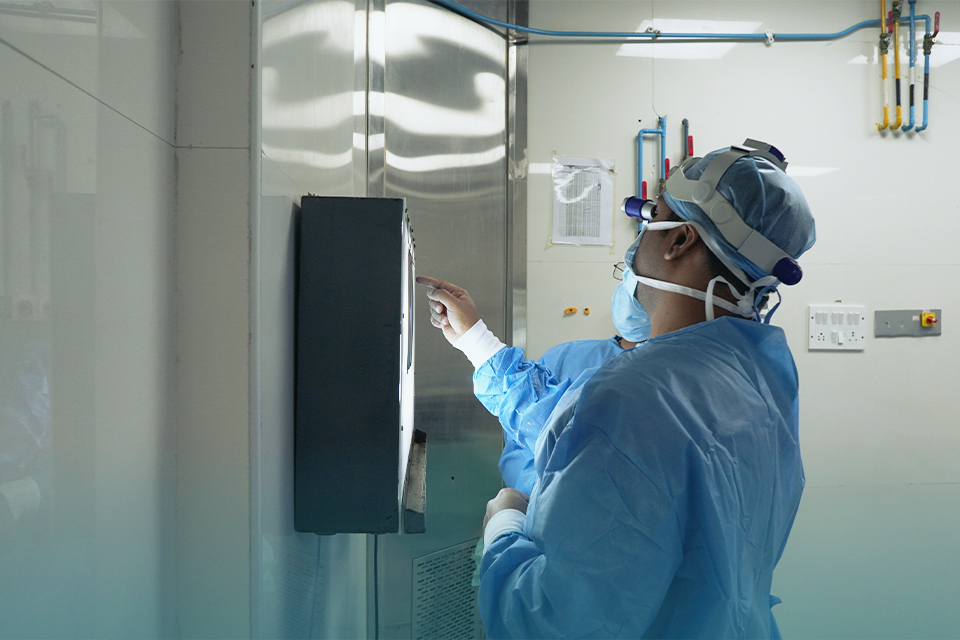
At Madhu Hand Surgery & Orthopedic Centre, evaluation includes:
Detailed History
Assessment of:
- Birth history
- Developmental milestones
- Family history
- Duration of toe walking
Physical Examination
Checking:
- Muscle strength
- Ankle flexibility
- Calf tightness
- Neurological function
- Walking pattern
Additional Tests (If Needed)
Occasionally:
- X-rays
- Neurological evaluation
- Gait assessment
- MRI scans
Most children do not require extensive investigations.
Treatment Options for Toe Walking
Treatment depends entirely on the underlying cause.
1. Observation
For younger children with mild toe walking:
- Regular follow-up
- Stretching exercises
- Monitoring development
Many improve naturally.
2. Physiotherapy
One of the most effective treatments.
Physiotherapy helps:
- Stretch tight calf muscles
- Improve ankle flexibility
- Train proper walking patterns
- Improve balance and coordination
3. Serial Casting
For children with significant Achilles tendon tightness.
A series of casts gradually stretches the tendon and improves ankle motion.
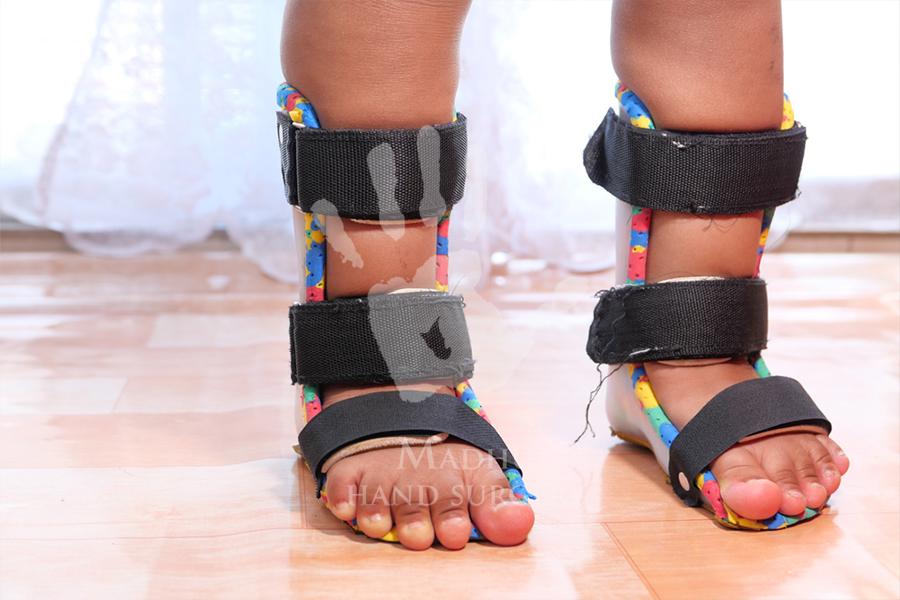
4. Bracing
Special ankle-foot orthoses (AFOs) may help maintain proper foot positioning.
5. Treatment of Underlying Neurological Conditions
When toe walking is related to neurological disorders, multidisciplinary care is often required.
6. Surgery (Rarely Needed)
Surgery is reserved for:
- Severe Achilles tendon tightness
- Failure of conservative treatment
- Persistent functional limitations
Most children improve without surgery.
Can Toe Walking Cause Problems Later?
If untreated in certain children, prolonged toe walking may lead to:
- Tight calf muscles
- Reduced ankle flexibility
- Balance difficulties
- Foot pain
- Altered gait patterns
This is why persistent toe walking should not be ignored.
Frequently Asked Questions
Is toe walking normal in toddlers?
Yes. Many children toe walk while learning to walk.
At what age should toe walking stop?
Most children develop a normal gait by 2 years of age.
Does every child with toe walking need treatment?
No. Many children simply require observation.
Can physiotherapy help?
Yes. It is often the first and most effective treatment.
Is surgery common?
No. Surgery is required only in selected cases.
Conclusion
Toe walking is common in young children and is often harmless. However, when it persists beyond the toddler years or is associated with tightness, weakness, or developmental concerns, evaluation by an orthopedic specialist is recommended.
Early assessment helps distinguish normal variations from conditions that may benefit from treatment. In most cases, conservative measures such as observation, stretching, and physiotherapy are highly successful.
About Dr. Madhusudhan N.C.
Dr. Madhusudhan N.C. is an Orthopedic & Hand Surgery Specialist based in Hebbal Kempapura, Bangalore. He follows a conservative-first, evidence-based treatment approach with a strong focus on patient education and individualized care. His areas of interest include fractures, sports injuries, pediatric orthopedic conditions, hand and wrist disorders, shoulder and knee problems, and nerve-related conditions.
He is also:
✔ Editorial Board Member – Journal of Hand Surgery (Asia-Pacific Volume)
✔ Recognized among the Top 10 Prominent Hand & Upper Limb Surgeons – 2026
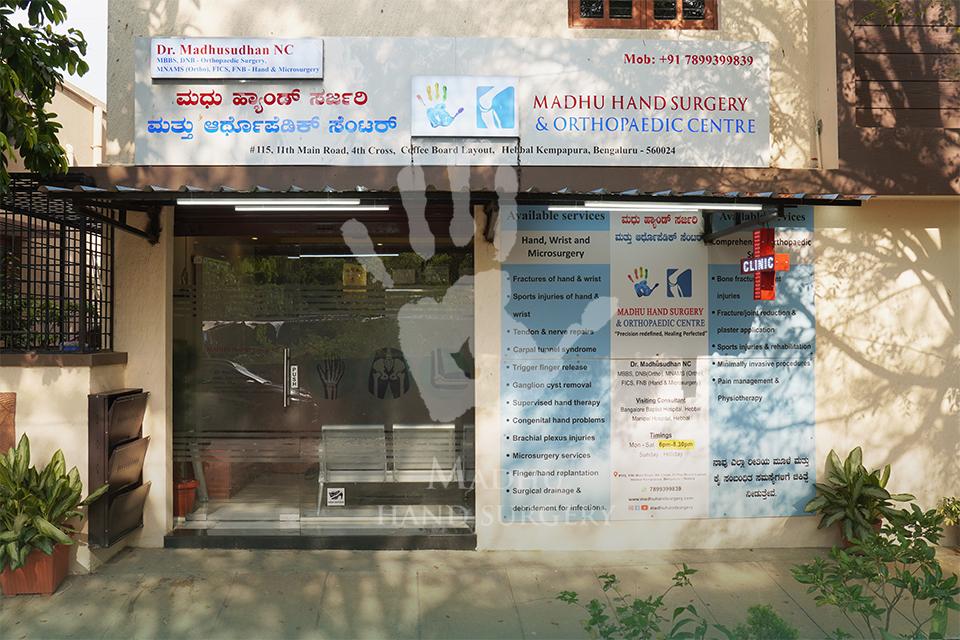
📍 Clinic Details & Appointment
📞 Call for Consultation: 7899399839
🕒 Consultation Timings: Monday to Saturday, 6:30 PM – 8:30 PM