




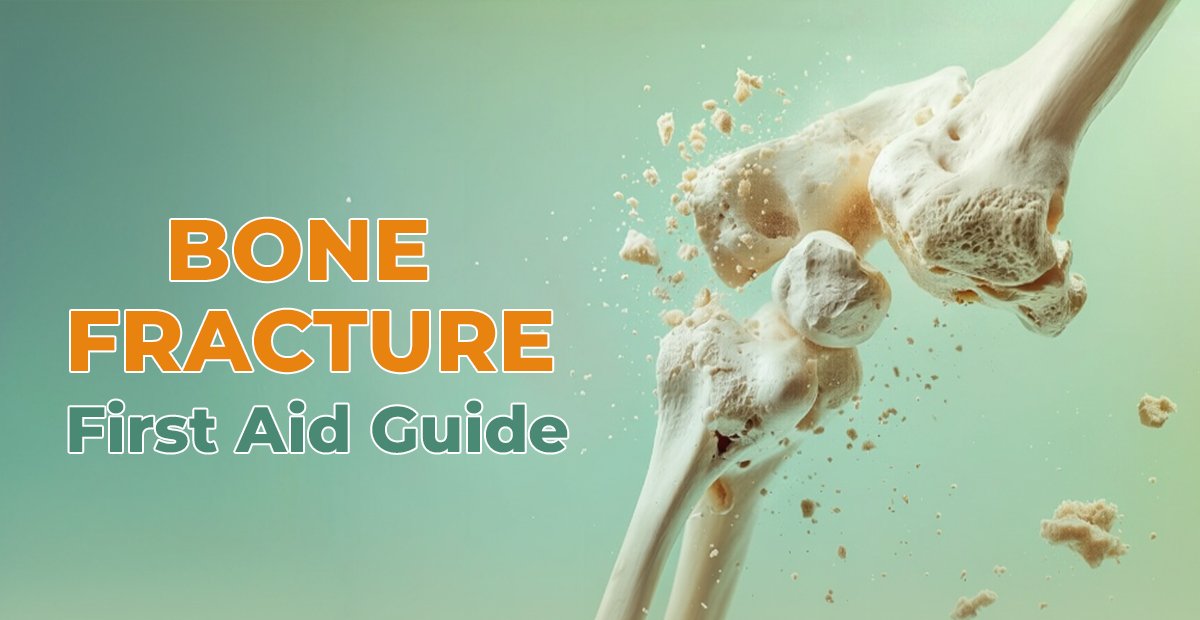
What to Do Immediately After a Bone Fracture: A Step-by-Step First Aid Guide
A Complete Guide by Dr. Madhusudhan on What to Do If You or Someone You Know Suffers a Bone Fracture
A fracture, commonly known as a broken bone, can happen unexpectedly during a fall, sports activity, road traffic accident, or even a simple slip at home. In such situations, knowing what to do immediately can make a significant difference in reducing pain, preventing further injury, and improving recovery.
One of the most common mistakes people make after a fracture is attempting to move the injured limb unnecessarily or delaying medical evaluation. Proper first aid and timely orthopedic care are essential for achieving the best outcome.
If you live in Hebbal, Kempapura, Coffee Board Layout, Manyata Tech Park, Jakkur, Sahakarnagar, or North Bangalore, this guide will help you understand exactly what to do immediately after a suspected bone fracture.
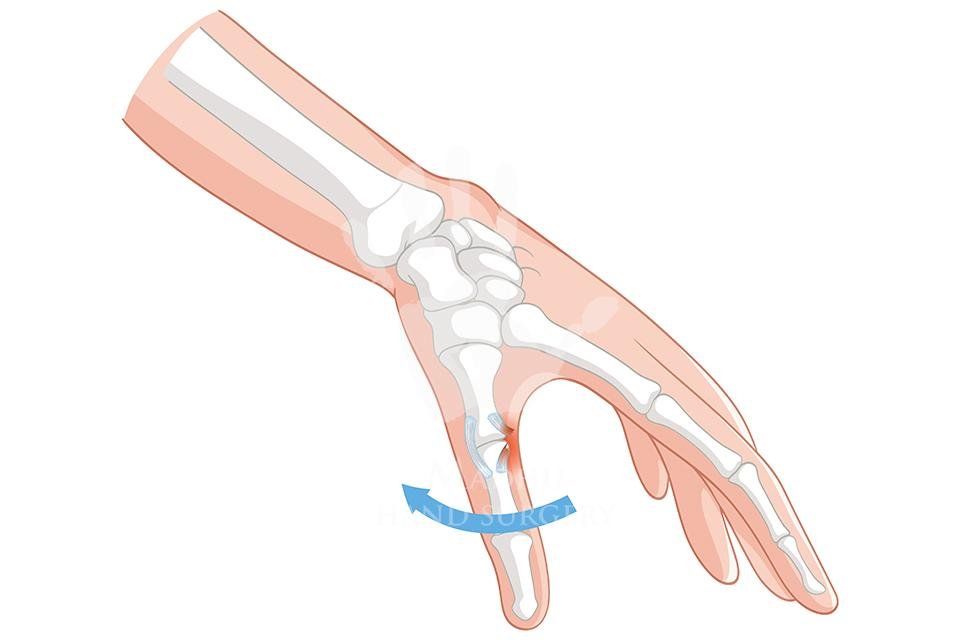
What Is a Bone Fracture?
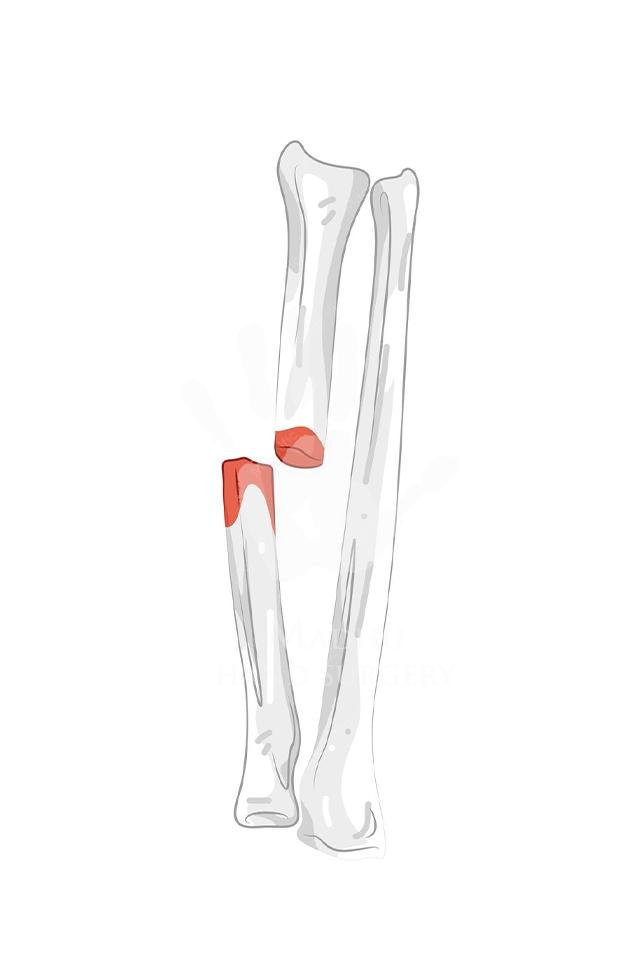
A fracture occurs when a bone fractures or breaks due to excessive force or stress.
Fractures can range from:
- Small cracks in the bone
- Stable fractures
- Displaced bone fractures
- Multiple bone fragments
- Open fractures where the bone pierces the skin
Not all fractures look dramatic. Some may only cause pain and swelling, making medical evaluation important.
Common Signs of a Bone Fracture
You should suspect a fracture if there is:
✔ Severe pain after bone fracture injury
✔ Swelling around the affected area
✔ Difficulty moving the limb after bone fracture
✔ Tenderness over the bone
✔ Bruising
✔ Visible deformity
✔ Inability to bear weight
✔ A cracking sound at the time of injury
If these symptoms are present, treat the injury as a fracture until proven otherwise.
Step 1: Stay Calm and Assess the Situation for bone fracture
The first and most important step is to remain calm.
Panic often leads to unnecessary movement, which can worsen the injury.
Check:
- Which body part is injured
- Whether there is bleeding
- Whether the person is conscious and alert
- Whether there are multiple injuries
If the bone fracture injury resulted from a major accident, seek emergency medical help immediately.
Step 2: Stop Moving the bone fracture Injured Area
One of the biggest mistakes after a fracture is trying to “test” the injured limb.
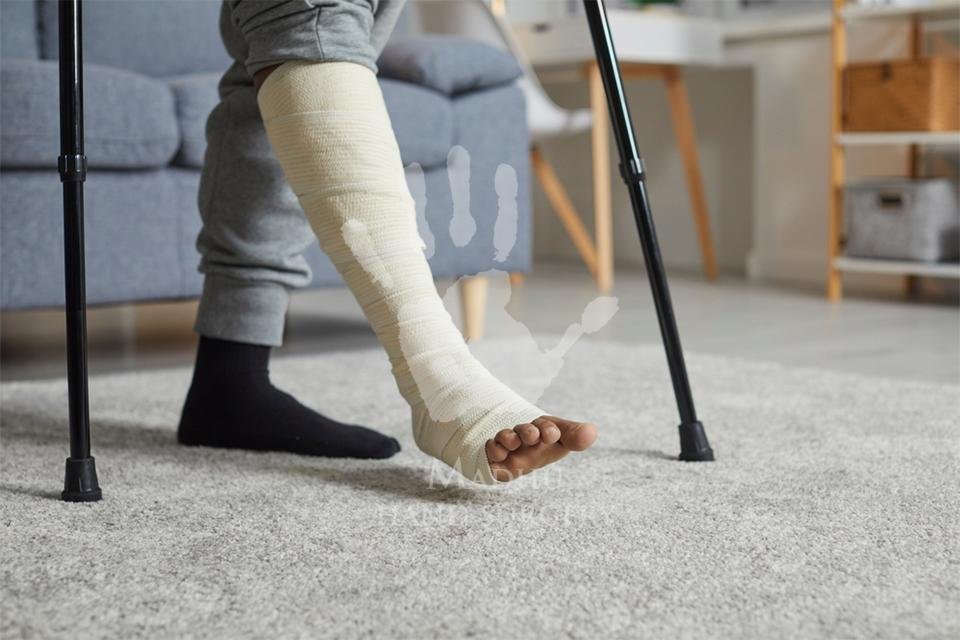
Avoid:
❌ Walking on a suspected fractured leg
❌ Lifting heavy objects with an injured arm
❌ Twisting or rotating the injured area
❌ Attempting to straighten a deformity
Movement can increase pain and cause further damage to surrounding tissues.
Step 3: Immobilize the Injured Limb
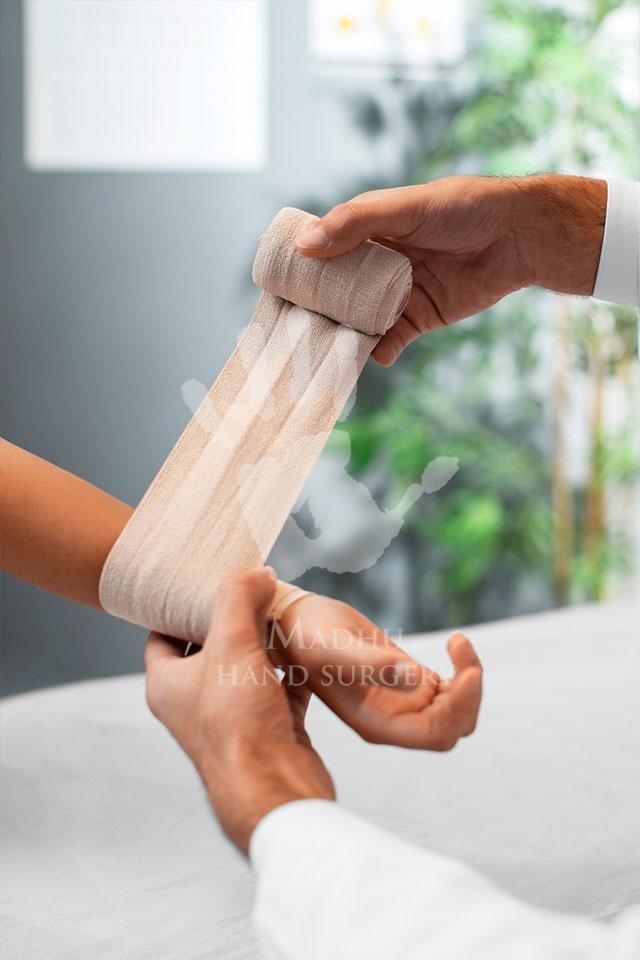
Keeping the injured area still is one of the most effective first-aid measures.
Examples:
Arm Injury
Use:
- A sling
- A folded cloth
- A scarf
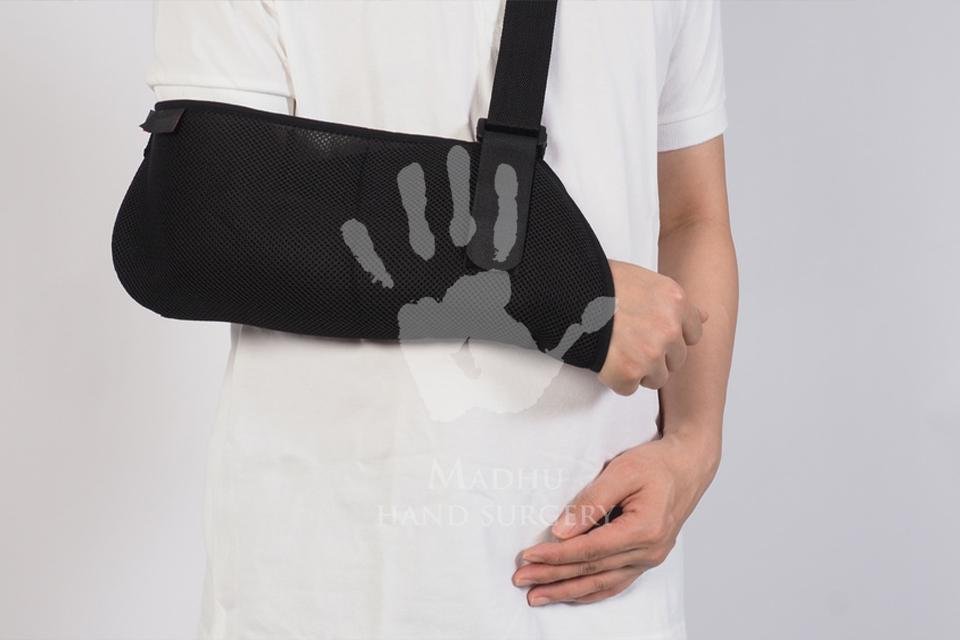
to support the arm.
Leg Injury
Avoid weight-bearing.
Support the leg using pillows or rolled towels until medical help is available.
Finger Injury
Buddy taping or temporary support may help until evaluation.
Step 4: Apply Ice
Ice helps reduce:
- Pain
- Swelling
- Inflammation
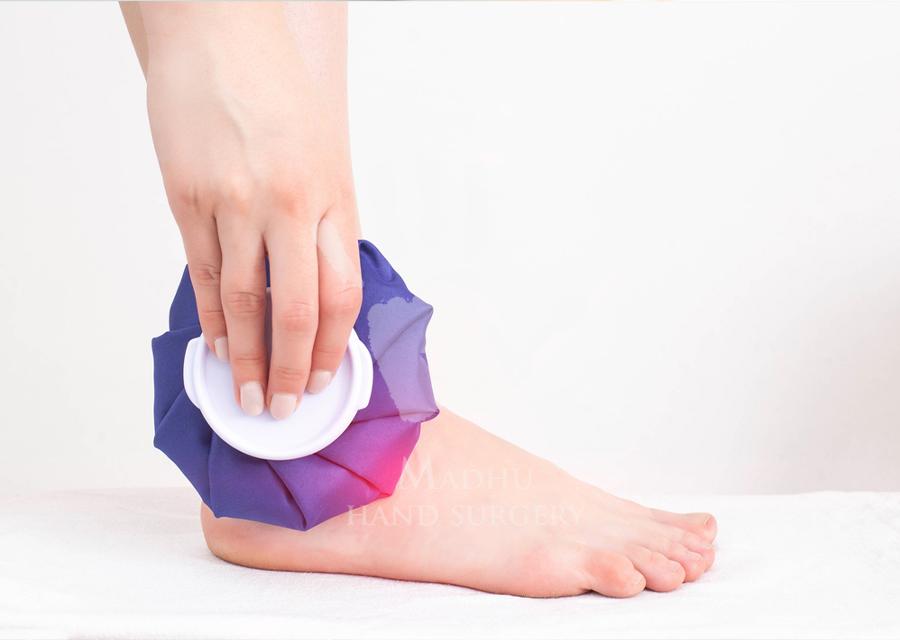
How to apply:
✔ Wrap ice in a cloth
✔ Apply for 15–20 minutes
✔ Repeat every 2–3 hours
Never place ice directly on the skin.
Step 5: Elevate the Injured Limb
If possible, raise the injured area above heart level.
This helps:
- Reduce swelling
- Improve comfort
- Limit tissue inflammation
For example:
- Support an injured arm in a sling
- Elevate an injured leg using pillows
Step 6: Control Any Bleeding
If there is an open wound:
✔ Apply gentle pressure using a clean cloth
Do not:
❌ Push protruding bone back inside
❌ Probe the wound
Open fractures require urgent medical attention because of infection risk.
Step 7: Remove Tight Items
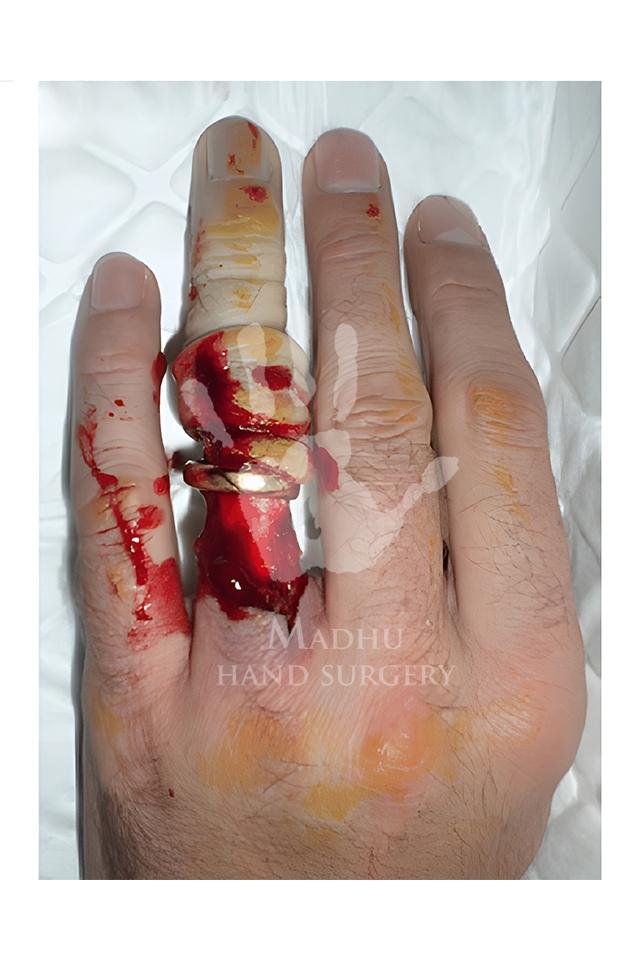
Swelling can occur quickly after a fracture.
Remove:
- Rings
- Watches
- Bracelets
- Tight footwear
before swelling increases.
This helps prevent circulation problems.
Step 8: Seek Orthopedic Evaluation Promptly
Even if the pain appears mild, fractures should be assessed by an orthopedic specialist.
Medical evaluation helps determine:
- Whether a fracture is present
- Bone alignment
- Need for casting or surgery
- Risk to nerves, blood vessels, or joints
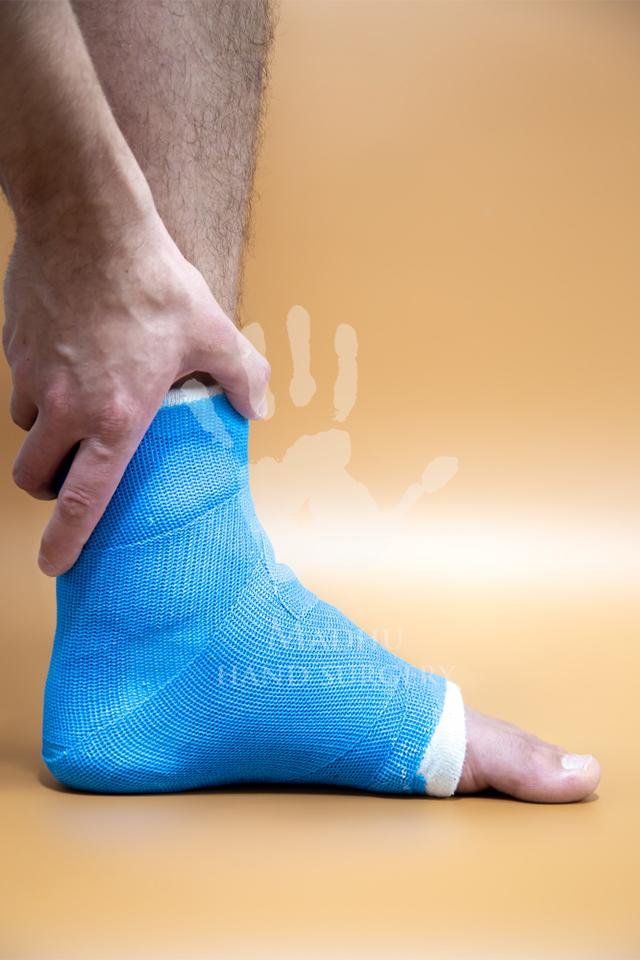
Early treatment generally leads to better outcomes.
What NOT to Do After a Fracture
Avoid these common mistakes:
❌ Do Not Ignore Severe Pain
Persistent pain after trauma should always be evaluated.
❌ Do Not Massage the Injured Area
Massage can worsen bleeding and swelling.
❌ Do Not Apply Excessive Heat Immediately
Heat may increase swelling during the initial phase.
❌ Do Not Attempt to Realign the Bone
Improper manipulation can damage nerves and blood vessels.
❌ Do Not Continue Sports or Physical Activity
Even small fractures can worsen with continued activity.
When Is Emergency Care Required?

Seek immediate medical attention if:
✔ Bone is visible through the skin
✔ Severe deformity is present
✔ Fingers or toes become pale or blue
✔ There is numbness or loss of sensation
✔ Severe swelling develops rapidly
✔ The injury follows a major accident
✔ The person cannot move the limb at all
These situations require urgent evaluation.
How Are Fractures Diagnosed?
At Madhu Hand Surgery & Orthopaedic Centre, diagnosis typically involves:
Clinical Examination
Assessment of:
- Pain location
- Swelling
- Bone tenderness
- Joint involvement
- Nerve function
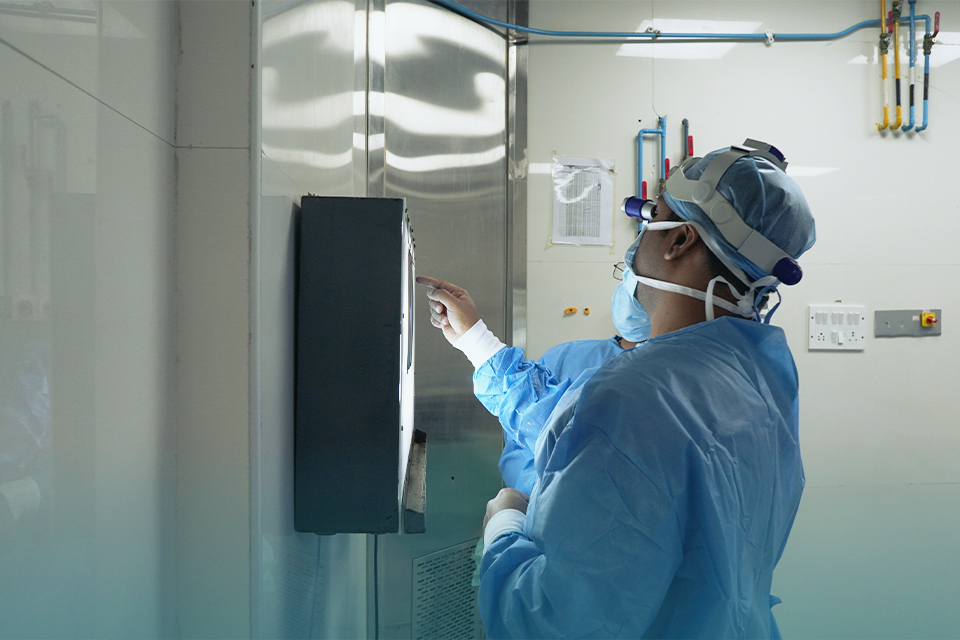
X-rays
Most fractures can be confirmed using simple X-rays.
Additional Imaging (If Needed)
Sometimes:
- CT scans
- MRI scans
may be recommended for complex injuries.
Treatment Options for Fractures
Treatment depends on:
- Bone involved
- Fracture type
- Degree of displacement
- Patient age
- Activity level
Options include:
✔ Splints
✔ Casts
✔ Closed reduction
✔ Surgical fixation (when necessary)
As a conservative-first orthopedic specialist, Dr. Madhusudhan N.C. recommends surgery only when it is genuinely required for optimal healing.
Can a Fracture Heal on Its Own?
Some fractures may partially heal without treatment, but improper healing can result in:
- Deformity
- Stiffness
- Weakness
- Chronic pain
- Loss of function
Proper evaluation ensures the bone heals in the correct position.
Frequently Asked Questions
How do I know if a bone is fractured or just sprained?
Both can cause pain and swelling. An X-ray is often needed to confirm the diagnosis.
Should I apply ice or heat on bone fracture?
Ice is recommended during the first 48 hours after injury.
Can I walk on a suspected fracture?
No. Avoid weight-bearing until evaluated.
Does every bone fracture need surgery?
No. Many fractures heal successfully with splints or casts.
How soon should I see an orthopedic doctor?
Ideally on the same day or as soon as possible after the injury.
Conclusion
A bone fracture can be painful and alarming, but the right first-aid measures can significantly improve recovery. The key principles are simple: stay calm, immobilize the injured area, apply ice, avoid unnecessary movement, and seek orthopedic evaluation promptly.
Timely diagnosis and treatment help ensure proper healing, reduce complications, and allow a faster return to normal activities.
👨⚕️ About Dr. Madhusudhan N.C.
Dr. Madhusudhan N.C. is an Orthopedic & Hand Surgery Specialist based in Hebbal Kempapura, Bangalore. He follows a conservative-first, evidence-based treatment approach with a strong emphasis on patient education and personalized care. His special interests include fracture management, sports injuries, pediatric orthopedic conditions, hand and wrist disorders, shoulder and knee problems, and nerve-related conditions.

He is also:
✔ Editorial Board Member – Journal of Hand Surgery (Asia-Pacific Volume)
✔ Recognized among the Top 10 Prominent Hand & Upper Limb Surgeons – 2026
📍 Clinic Details & Appointment
Madhu Hand Surgery & Orthopaedic Centre
#115, 11th Main Road, 4th Cross, Coffee Board Layout,
Hebbal Kempapura, Bangalore – 560024
📞 Call for Consultation: 7899399839
🕒 Consultation Timings: Monday to Saturday, 6:30 PM – 8:30 PM