




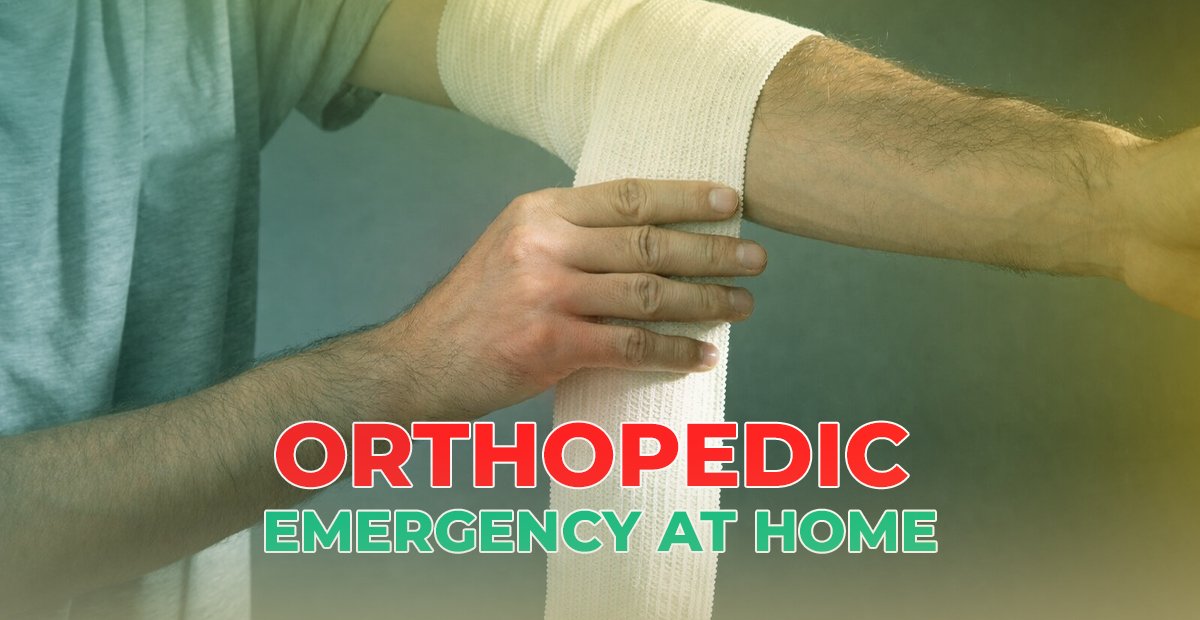
How to Handle an Orthopedic Emergency at Home
Under this blog we will discover how to handle an Orthopedic Emergency at Home: Essential First Aid Tips Before Medical Help Arrives by Dr.Madhusudhan orthopedic specialist.
Accidents can happen unexpectedly—whether it’s a fall in the bathroom, a sports injury, a child falling from a bicycle, a twisted ankle while walking, or an elderly person slipping at home. In these situations, knowing how to respond during an orthopedic emergency at home before reaching a hospital can make a significant difference in reducing pain, preventing complications, and ensuring a smoother recovery. Dr. Madhusudhan, Orthopedic Specialist, recommends taking immediate first-aid measures while arranging professional medical care.
What Is an Orthopedic Emergency?
An orthopedic emergency is an injury affecting the musculoskeletal system, including:
- Bones
- Joints
- Ligaments
- Tendons
- Muscles
- Nerves associated with the musculoskeletal system
Common orthopedic emergencies include:
- Fractures
- Joint dislocations
- Severe sprains
- Tendon and ligament injuries
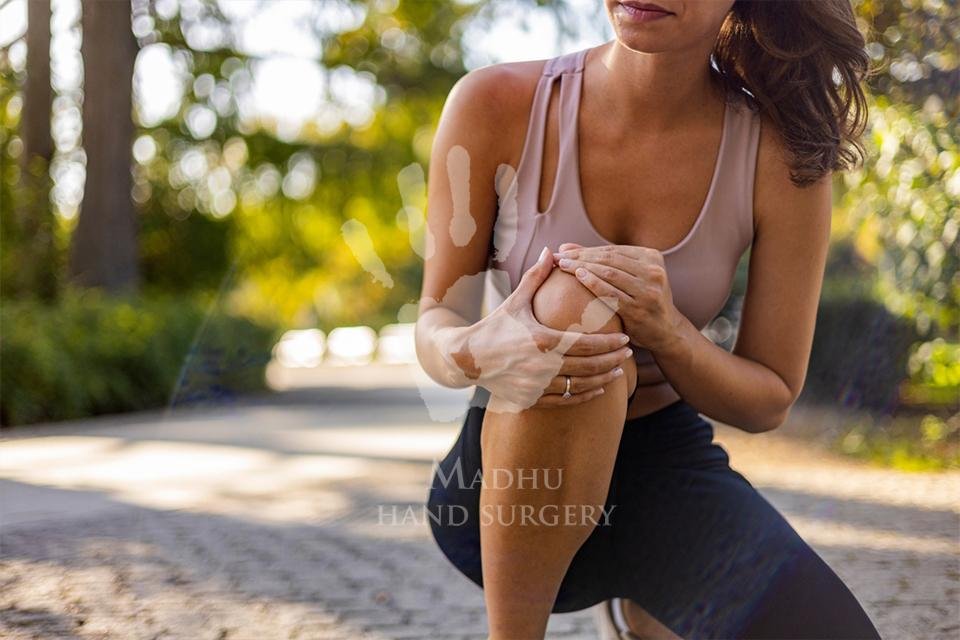
- Sports injuries
- Sudden inability to walk
- Severe back or neck injuries after trauma
Step 1: Stay Calm and Assess the Situation
The first step in managing an orthopedic emergency at home is to stay calm. Panic may lead to unnecessary movement, increased pain, and poor decision-making.
Assess the situation carefully:
- What happened?
- Which body part is injured?
- Is the person conscious?
- Is there bleeding?
- Is there any visible deformity?
- Can the person move safely?
If the injury involves a major accident, head injury, loss of consciousness, breathing difficulty, or severe bleeding, seek emergency medical help immediately.
Step 2: Stop All Further Activity
Do not try to “walk it off” or continue the activity after an injury. Immediately stop:
- Sports or exercise
- Running
- Walking on an injured leg
- Lifting with an injured arm
- Any movement that increases pain
Continuing activity may worsen a fracture, ligament tear, tendon injury, or muscle strain.
Step 3: Immobilize the Injured Area for an Orthopedic Emergency at Home
Immobilization is an important first-aid measure because it limits movement and may reduce pain.
For Arm Injuries
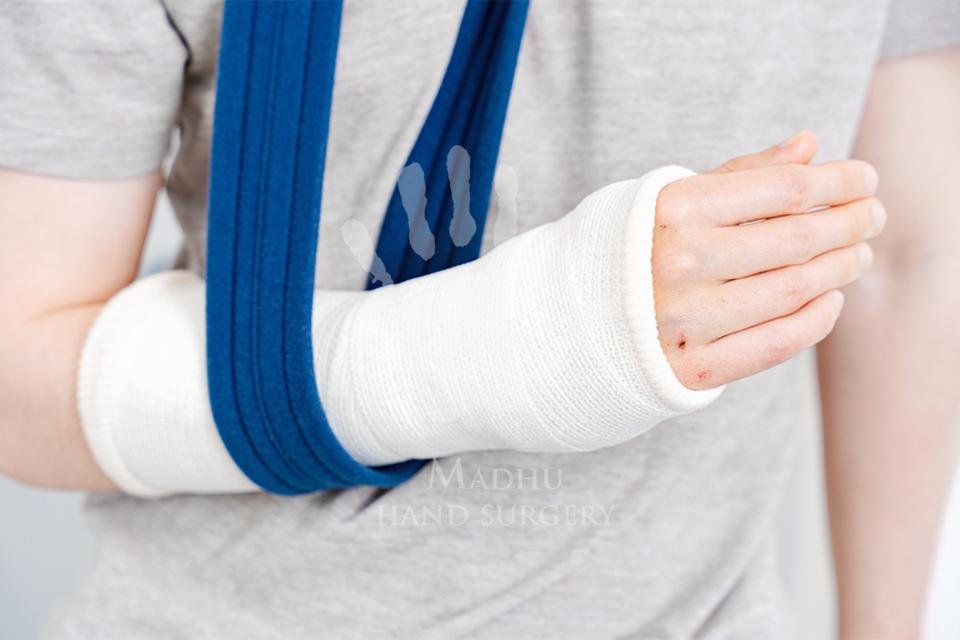
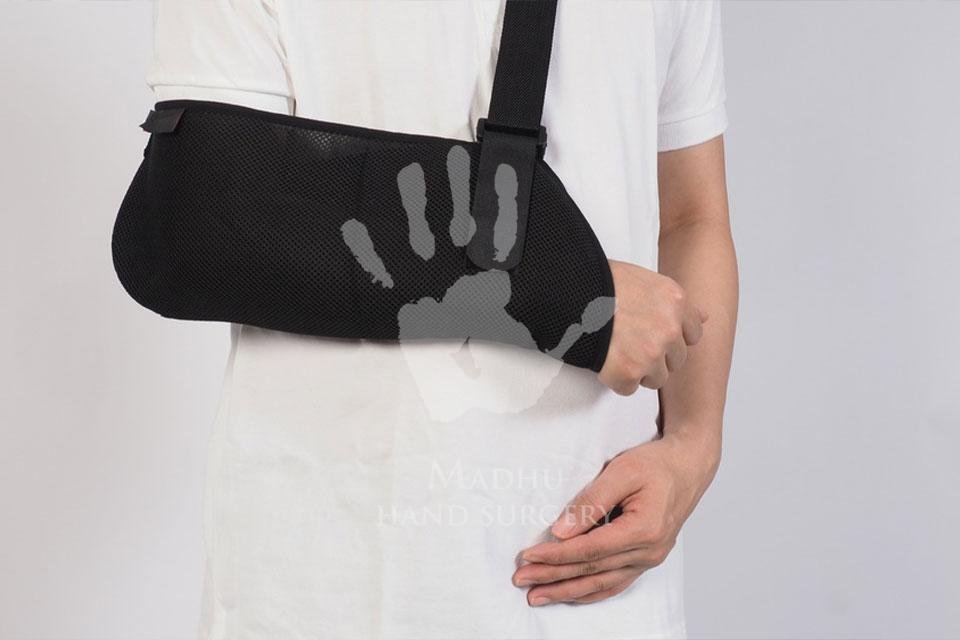
Support the arm using:
- A sling
- A scarf
- A folded cloth
Keep the arm in the most comfortable position for an Orthopedic Emergency at Home. Do not force it into alignment.
For Leg Injuries
Avoid putting weight on the injured leg. Support it gently with:
- Pillows
- Rolled towels
- Cushions
Do not force the person to stand or walk.
For Finger Injuries
A temporary splint may help support the finger until it is examined by a medical professional. Avoid tight splinting, as swelling can affect circulation.
Step 4: For an Orthopedic Emergency at Home apply Ice safely
Ice may help reduce pain and swelling.
- Wrap an ice pack or ice cubes in a towel.
- Apply it for approximately 15–20 minutes.
- Repeat every few hours during the first day, if comfortable.
- Never apply ice directly to the skin.
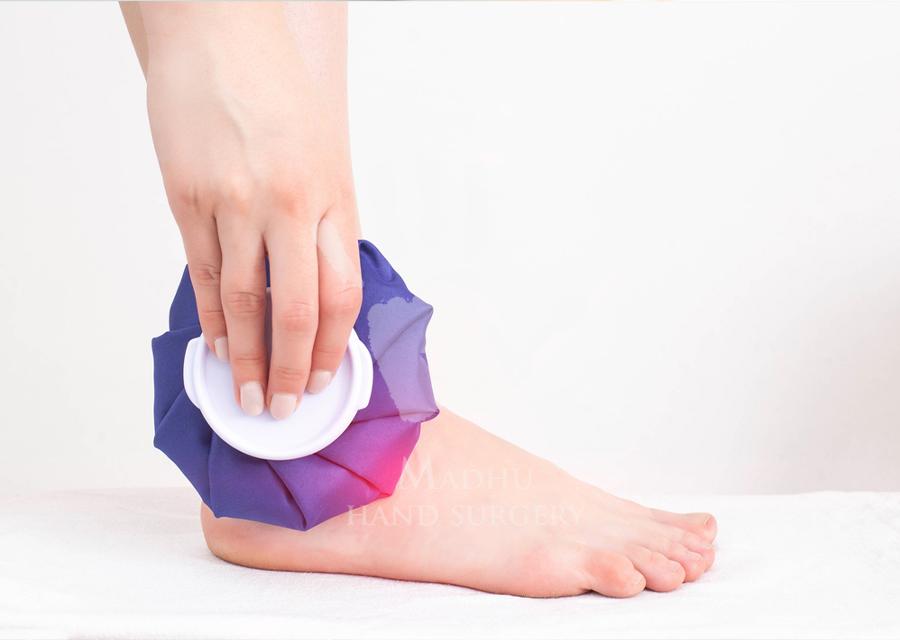
Stop using ice if the skin becomes numb, unusually pale, or painful.
Step 5: Elevate the Injured Limb for an Orthopedic Emergency at Home
Elevation can help reduce swelling and improve comfort.
- Place pillows under an injured leg.
- Keep an injured arm supported in a sling.
- Elevate the injured area above heart level when possible and comfortable.
Avoid elevation if it causes increased pain or if a serious fracture or dislocation is suspected and the limb cannot be moved safely.
Step 6: Remove Tight Items for an Orthopedic Emergency at Home
Swelling can develop quickly after an injury. Remove tight items such as:
- Rings
- Bracelets
- Watches
- Tight footwear
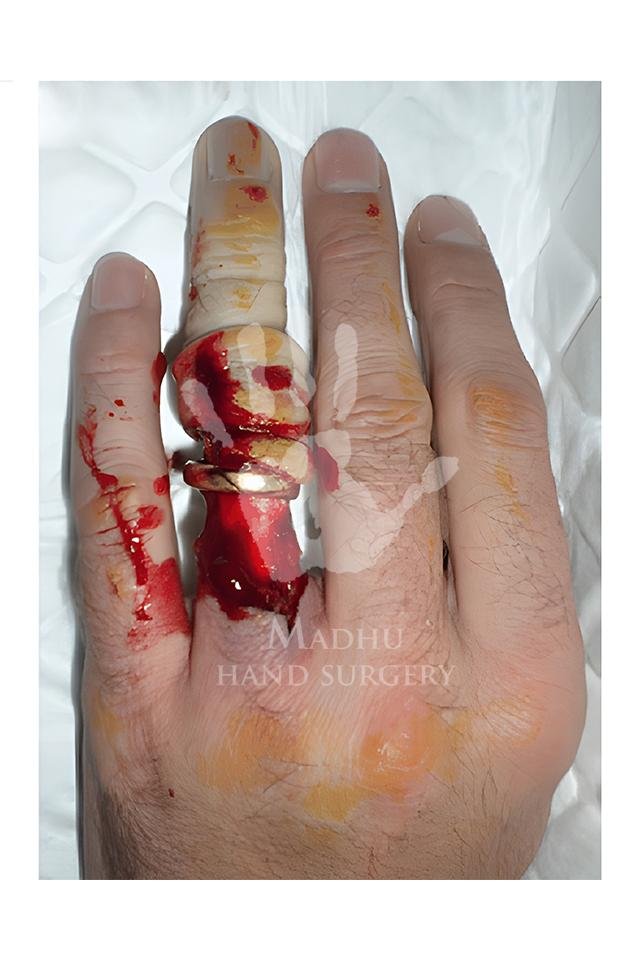
Removing these items early may help prevent circulation problems as swelling increases.
Common Orthopedic Emergencies and First Aid which can be done as an Orthopedic Emergency at Home
Suspected Fracture
Possible Signs
- Severe pain
- Swelling
- Bruising
- Visible deformity
- Difficulty moving the limb
- Inability to bear weight
What to Do as an Orthopedic Emergency at Home?
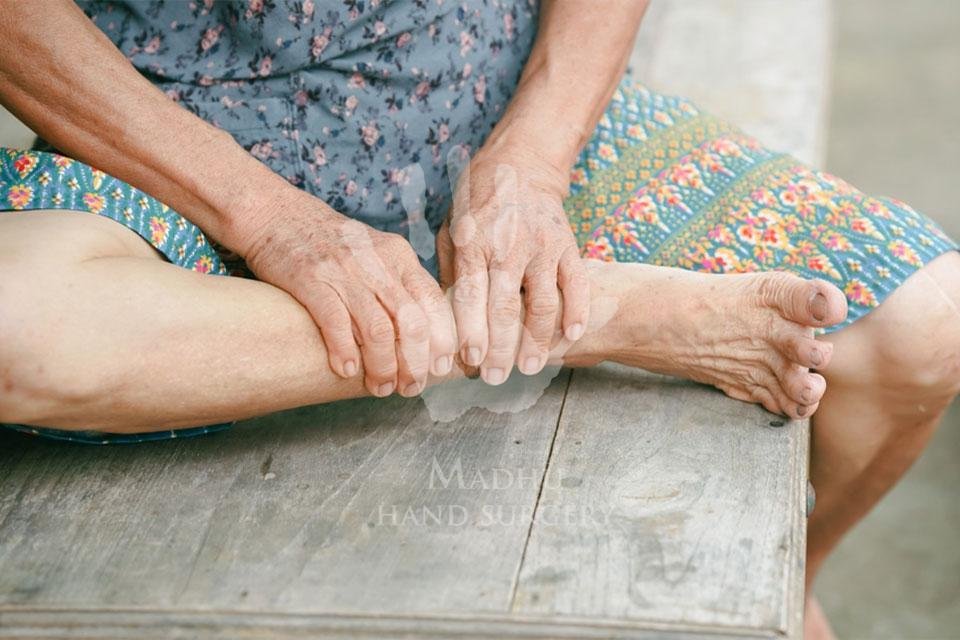
- Keep the injured area still.
- Immobilize it in the position found.
- Apply a wrapped ice pack.
- Arrange urgent medical evaluation.
What Not to Do as an Orthopedic Emergency at Home?
- Do not massage the injured area.
- Do not attempt to straighten the bone.
- Do not push a protruding bone back inside.
- Do not force the person to walk.
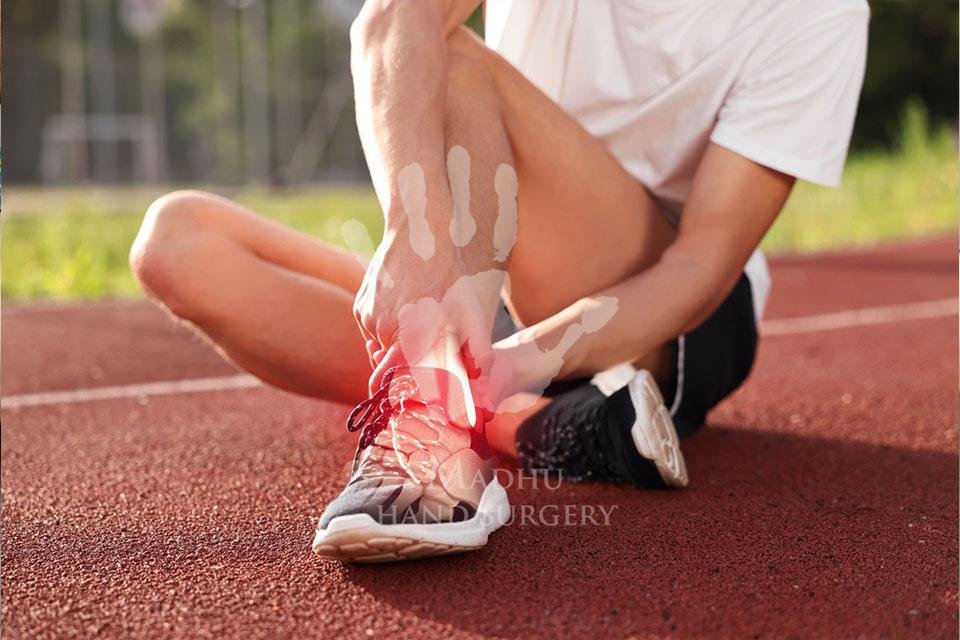
Ankle Sprain for an an Orthopedic Emergency at Home
An ankle sprain commonly occurs after twisting or rolling the ankle.
Symptoms May Include
- Pain
- Swelling
- Bruising
- Difficulty walking
- Tenderness around the ankle
Initial care may follow the RICE principle for an Orthopedic Emergency at Home
- R – Rest: Stop activities and avoid unnecessary weight-bearing.
- I – Ice: Apply a wrapped ice pack for 15–20 minutes.
- C – Compression: Use a comfortable elastic bandage if there is no deformity, open wound, or circulation problem. Do not wrap it too tightly.
- E – Elevation: Raise the ankle on pillows.
Consult an orthopedic specialist if walking is difficult, swelling is severe, pain persists, or the ankle appears deformed.
Joint Dislocation for an Orthopedic Emergency at Home
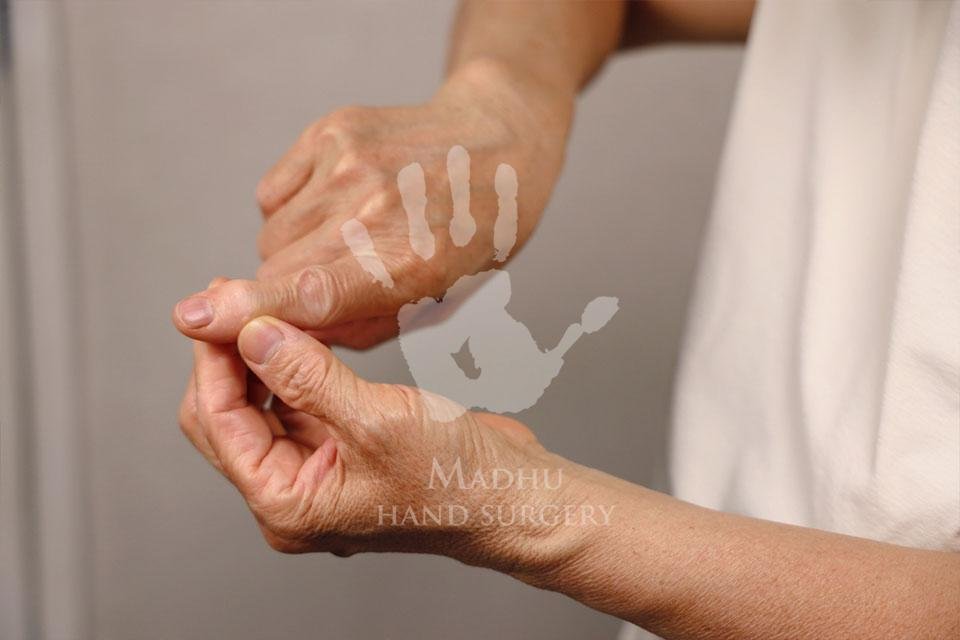
Dislocations commonly affect the shoulder, finger, elbow, or knee.
Signs of Dislocation
- Visible deformity
- Severe pain
- Swelling
- Inability to move the joint
- Numbness or tingling
What to Do for Dislocation Orthopedic Emergency at Home
- Support the limb in the position found.
- Immobilize the joint gently.
- Apply a wrapped ice pack.
- Seek urgent medical attention.
What Not to Do for Dislocation Orthopedic Emergency at Home
Do not attempt to relocate or “put the joint back” yourself. Improper manipulation can damage nearby nerves, blood vessels, ligaments, or bones.
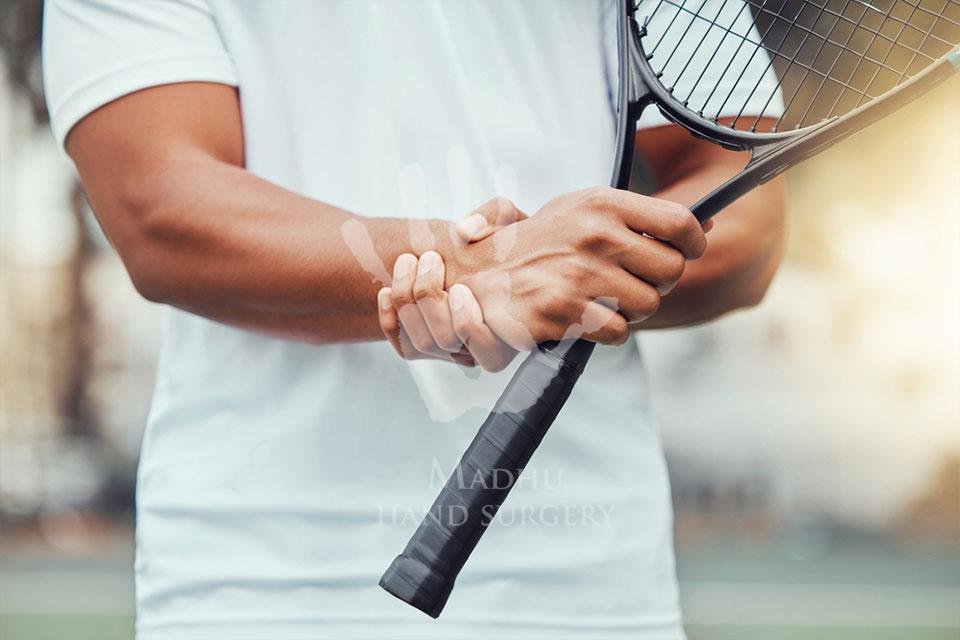
Sports Injuries
Common sports injuries include:
- Muscle strains
- Ligament injuries
- Tendon injuries
- Joint injuries
- Bruises and soft-tissue injuries
Initial management may include rest, ice, gentle compression, and elevation. Avoid returning to sports until pain and movement have improved and a medical professional has confirmed that it is safe.
Persistent pain, recurrent swelling, instability, or difficulty bearing weight should be evaluated by an orthopedic specialist.
Sudden Back Injury
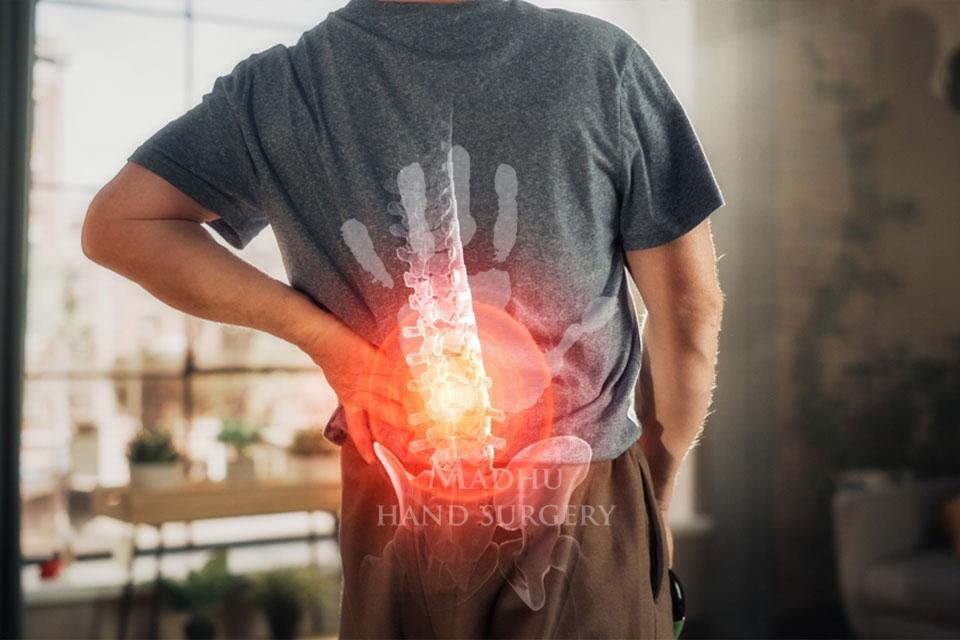
Back pain may occur after lifting a heavy object, a fall, or sudden twisting.
What to Do
- Stop the activity.
- Rest briefly in a comfortable position.
- Apply a cold pack during the early stage if it helps relieve pain.
- Avoid heavy lifting, bending, and twisting.
- Arrange medical evaluation if the pain is severe or does not improve.
What NOT to Do During an Orthopedic Emergency
Avoid these common mistakes:
❌ Massage the Injury
Massage can increase:
- Bleeding
- Swelling
- Tissue damage
❌ Apply Hot Oil Immediately
Many people instinctively apply heat.
Heat during the first 24–48 hours can worsen swelling.
❌ Ignore Severe Pain
Persistent pain often indicates a significant injury.
❌ Force Movement
Avoid testing the injured body part repeatedly.
❌ Delay Medical Evaluation
Some injuries look minor initially but become more serious if untreated.
When Should You Go to the Emergency Department Immediately?
Seek urgent care if:
✔ Bone is visible through the skin
✔ Severe deformity is present
✔ Fingers or toes become pale or blue
✔ Numbness develops
✔ Severe swelling appears rapidly
✔ Inability to move the limb
✔ Significant injury to the neck or spine
✔ Loss of consciousness accompanies the injury
Preparing a Basic Orthopedic First-Aid Kit at Home
Consider keeping:
✔ Ice packs
✔ Elastic bandages
✔ Crepe bandages
✔ Simple arm sling
✔ Gauze and dressings
✔ Adhesive tape
✔ Pain-relief medication (as advised by your doctor)
A basic first-aid kit can be invaluable during emergencies.
Frequently Asked Questions
Should I apply ice or heat after an injury?
Ice is preferred during the first 48 hours.
Can I massage a sprain?
No. Massage immediately after injury may worsen swelling.
How do I know if it is a fracture or sprain?
Both can look similar. An orthopedic evaluation and X-ray may be necessary.
Can I walk after an ankle injury?
Avoid weight-bearing if pain is significant.
Does every orthopedic injury require surgery?
No. Many fractures, sprains, and sports injuries heal successfully with conservative treatment.
Conclusion
Orthopedic emergencies can happen at any time, but knowing basic first aid can make a significant difference before professional medical help is available. The key principles are simple:
✔ Stay calm
✔ Immobilize the injured area
✔ Apply ice
✔ Elevate the limb
✔ Avoid massage and unnecessary movement
✔ Seek timely orthopedic evaluation
These simple steps can reduce complications and improve recovery outcomes.

👨⚕️ About Dr. Madhusudhan N.C.
Dr. Madhusudhan N.C. is an Orthopedic & Hand Surgery Specialist based in Hebbal Kempapura, Bangalore. He follows a conservative-first, evidence-based treatment approach with a strong focus on patient education and individualized care. His special interests include fracture management, sports injuries, pediatric orthopedic conditions, hand and wrist disorders, shoulder and knee problems, and emergency orthopedic care.
📍 Clinic Details & Appointment
Madhu Hand Surgery & Orthopaedic Centre
#115, 11th Main Road, 4th Cross, Coffee Board Layout,
Hebbal Kempapura, Bangalore – 560024
📞 Call for Consultation: 7899399839
🕒 Consultation Timings: Monday to Saturday, 6:30 PM – 8:30 PM
He is also:
✔ Editorial Board Member – Journal of Hand Surgery (Asia-Pacific Volume)
✔ Recognized among the Top 10 Prominent Hand & Upper Limb Surgeons – 2026