




Flat Feet in Kids: Do They Need Treatment?
Flat feet in kids is a common condition that may affect walking and posture. Dr. Madhusudhan provides expert evaluation and personalized treatment to ensure healthy foot development and improved mobility in children.
Many parents become worried when they notice that their child’s feet appear flat or that there is little to no visible arch while standing. One of the most common questions pediatric orthopedic specialists hear is:
“My child has flat feet. Is this normal, or does it need treatment?”
The good news is that in most children, flat feet are a normal part of development and do not cause any problems. However, some children may experience pain, difficulty walking, or other symptoms that require evaluation by an orthopedic specialist.
If you live in Hebbal, Kempapura, Coffee Board Layout, Manyata Tech Park, Jakkur, Sahakarnagar, or North Bangalore, this guide will help you understand flat feet in children, when treatment is needed, and what options are available.
What Are Flat Feet?
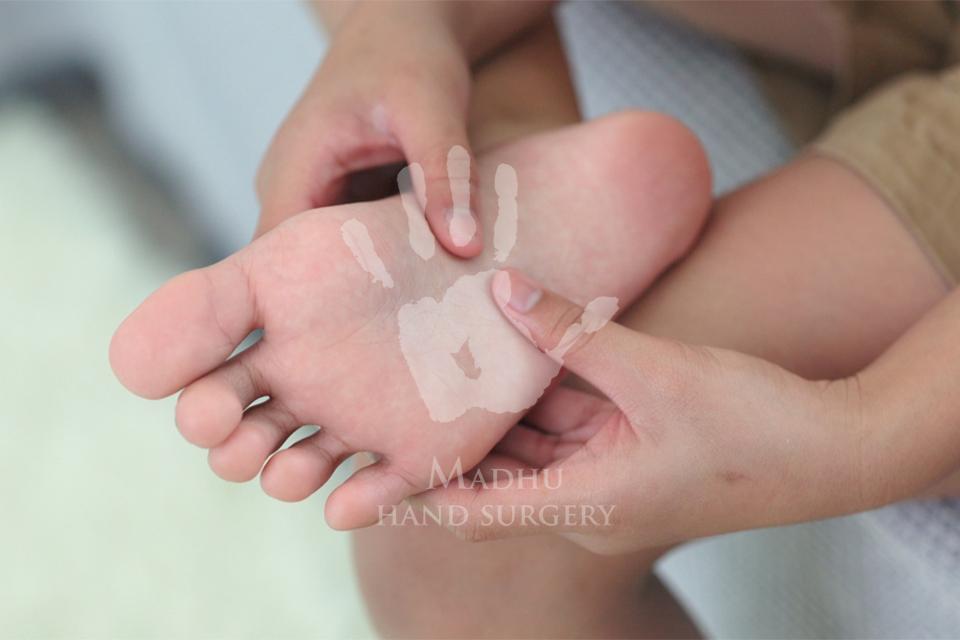
Flat feet in kids, also known as pes planus, occur when the arch on the inside of the foot appears flattened.
When a child stands:
- The entire sole of the foot may touch the ground.
- The arch may appear absent.
- The foot may roll slightly inward.
In many young children, this is completely normal.
Are Flat feet in kids Normal?
Yes.
Most babies and toddlers naturally have flat feet because:
- Their arches have not yet fully developed.
- A soft pad of fat under the foot hides the arch.
- Ligaments are naturally more flexible.
As children grow, the arch gradually develops.
Many children develop a visible arch between 5 and 10 years of age.
Types of Flat Feet
Understanding the type of flat foot is important because treatment depends on the cause.
1. Flexible Flat Feet (Most Common)
This is the most common type.
Characteristics:
✔ Arch appears when sitting or standing on tiptoes
✔ Arch disappears while standing normally
✔ Usually painless
✔ Child remains active and plays normally
Most flexible flat feet do not require treatment.
2. Rigid Flat Feet
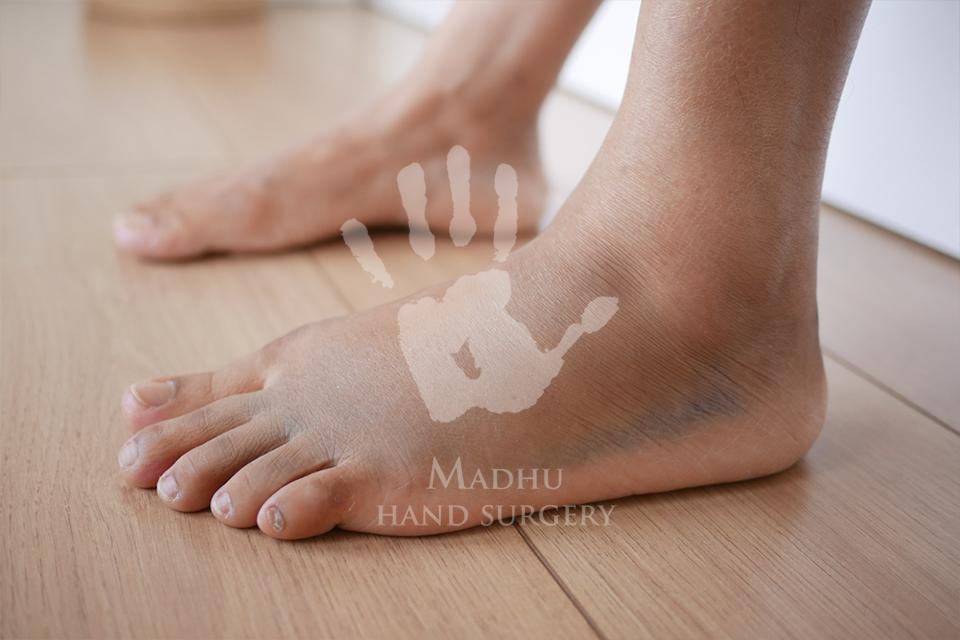
Less common but more important.
Characteristics:
✔ Arch absent all the time
✔ Foot appears stiff
✔ Reduced movement of the foot joints
✔ May cause pain
Rigid flat feet require orthopedic evaluation.
Why Do Some Children Develop Flat Feet?
Several factors may contribute:
1. Normal Development
The most common reason.
Many children simply develop their arches later than others.
2. Ligament Laxity (Hyperflexibility)
Children with flexible joints often have flatter feet.
You may notice:
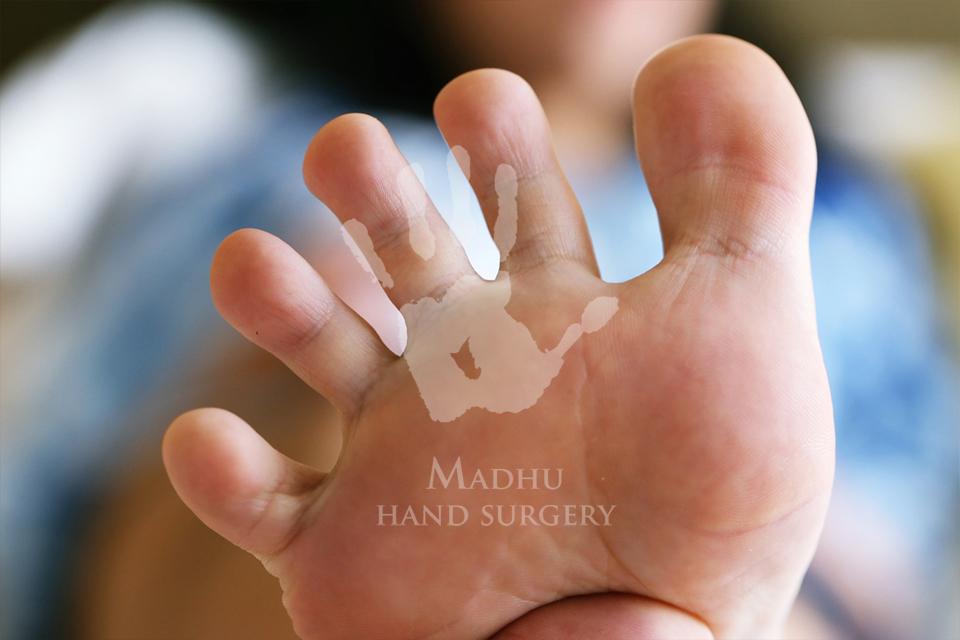
- Flexible fingers
- Hypermobile elbows
- Flexible knees
These children are usually otherwise healthy.
3. Family History
Flat feet in kids often run in families.
If one or both parents have flat feet, the child is more likely to have them.
4. Obesity
Extra weight increases pressure on developing arches.
5. Neurological or Muscle Conditions
Rarely, conditions affecting muscles or nerves may contribute.
Examples include:
- Cerebral palsy
- Muscular dystrophy
- Certain neuromuscular disorders
6. Tarsal Coalition
A condition where foot bones are abnormally connected.
Symptoms often appear during late childhood or adolescence.
Symptoms That May Suggest a Problem
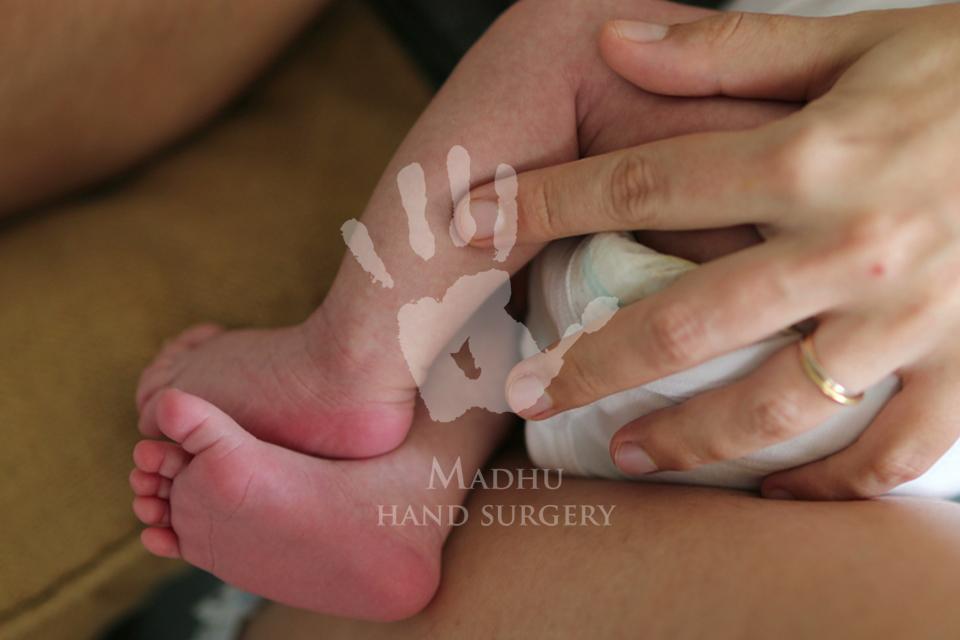
Most children with flat feet have no symptoms.
However, evaluation is recommended if your child develops:
✔ Foot pain
✔ Ankle pain
✔ Leg pain after activity
✔ Frequent tripping or falls
✔ Difficulty participating in sports
✔ Uneven shoe wear
✔ Foot stiffness
✔ Limping
✔ Fatigue while walking
Pain is one of the most important reasons to seek medical advice.
When Should Parents Seek Orthopedic Evaluation?
You should consult a pediatric orthopedic specialist if:
✔ Flat feet in kids are painful
Pain is not considered normal and should be evaluated.
✔ One foot is different from the other
Asymmetry may indicate an underlying problem.
✔ The foot appears stiff
Rigid feet require specialist assessment.
✔ The child has difficulty walking or running
Functional limitations deserve further investigation.
✔ Flat feet in kids are worsening with age
Progressive deformity should not be ignored.
How Are Flat Feet Evaluated?
At Madhu Hand Surgery & Orthopaedic Centre, evaluation includes:
Detailed History
We assess:
- Age of the child
- Presence of pain
- Activity level
- Family history
- Walking pattern
Physical Examination
This includes assessment of:
- Foot flexibility
- Arch formation
- Achilles tendon tightness
- Gait pattern
- Joint mobility
A simple examination often provides the diagnosis.
X-rays (If Necessary)
X-rays may be recommended when:
- Pain is present
- The foot is rigid
- Structural abnormalities are suspected
Most children with flexible Flat feet in kids do not need X-rays.
Do Flat Feet Need Treatment?
The answer depends on whether symptoms are present.
Children Without Symptoms
Most children require:
✔ Observation
✔ Reassurance
✔ Regular monitoring
No special shoes, inserts, or surgery are usually necessary.
Current research shows that many children with painless flexible flat feet do very well without treatment.
Children With Symptoms
Treatment focuses on relieving pain and improving function.
Treatment Options
1. Footwear Advice
Supportive shoes may improve comfort.
Ideal shoes should:
- Have a firm heel counter
- Provide adequate support
- Fit properly
Very soft footwear may not provide sufficient support.
2. Orthotic Insoles
Custom or prefabricated shoe inserts may help:
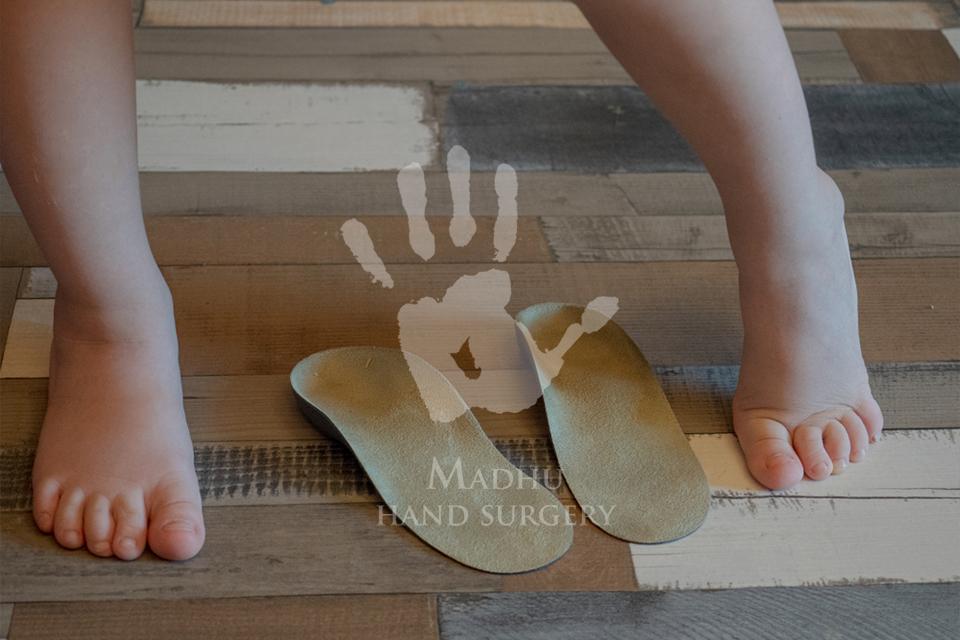
- Reduce pain
- Improve comfort
- Support the arch
Orthotics improve symptoms but do not permanently create an arch.
3. Physiotherapy
Flat feet in kids may get help through Physiotherapy:
- Tight calf muscles
- Foot fatigue
- Poor balance
Exercises focus on:
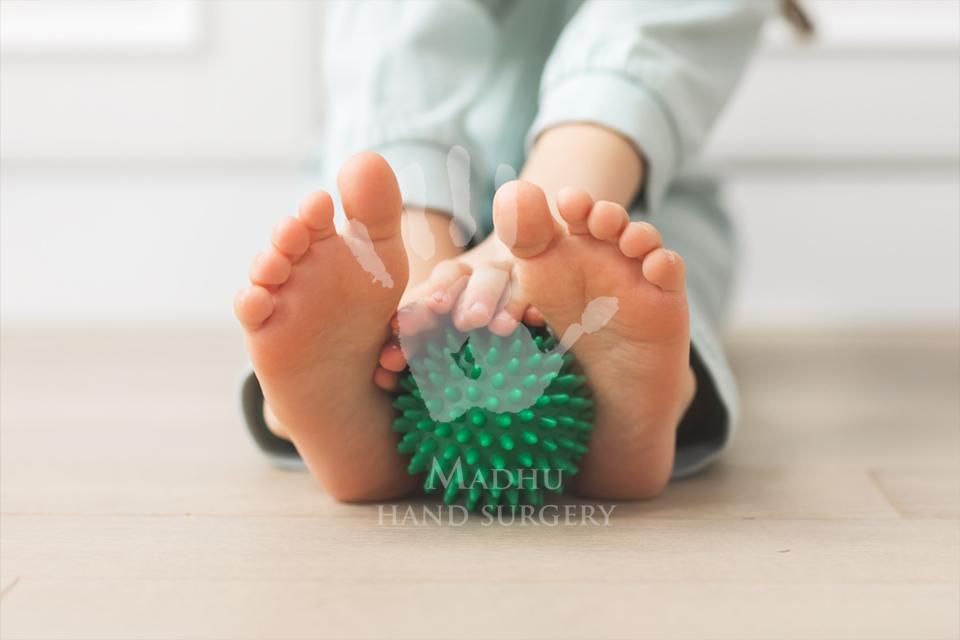
- Stretching
- Strengthening
- Improving gait mechanics
4. Activity Modification
Temporary adjustment of sports or activities may be recommended if symptoms are severe.
5. Surgery (Rarely Required)
Most children never require surgery.
Surgery is considered only when:
- Significant pain persists
- Conservative treatment fails
- Structural abnormalities are present
- Severe deformity affects function
Fortunately, this is uncommon.
Common Myths About Flat Feet
Myth 1: Every Flat Foot Needs Treatment
False.
Most flexible flat feet are completely normal.
Myth 2: Flat Feet Always Cause Problems Later
False.
Most children remain active and symptom-free.
Myth 3: Special Shoes Can Create an Arch
There is little scientific evidence that special shoes permanently create arches.
Myth 4: Surgery Is Common
False.
The vast majority of children never require surgery.
Frequently Asked Questions
Will my child outgrow flat feet?
Many children develop arches naturally as they grow.
Can flat feet affect sports performance?
Most children participate in sports without any limitations.
Do all flat feet require Orthotics?
No. Orthotics are primarily used for symptomatic children.
Can flat feet cause knee pain?
In some children, altered foot mechanics may contribute to leg or knee discomfort.
When should I worry?
Pain, stiffness, limping, or progressive deformity should be evaluated.
Conclusion
Flat feet in kids are extremely common in children and, in most cases, are a normal variation of development. Most children with flexible Flat feet in kids do not require treatment and continue to lead active, healthy lives.
However, if your child experiences pain, stiffness, walking difficulties, or progressive changes in foot shape, a professional orthopedic assessment is important. Early evaluation helps distinguish normal development from conditions that may benefit from treatment.
About Dr. Madhusudhan N.C.
Dr. Madhusudhan N.C. is an Orthopedic & Hand Surgery Specialist based in Hebbal Kempapura, Bangalore. He follows a conservative-first, evidence-based treatment approach with a strong emphasis on patient education and individualized care. His areas of interest include pediatric orthopedic conditions, fractures, sports injuries, hand and wrist disorders, shoulder and knee problems, and nerve-related conditions.
He is also:
✔ Editorial Board Member – Journal of Hand Surgery (Asia-Pacific Volume)
✔ Recognized among the Top 10 Prominent Hand & Upper Limb Surgeons – 2026

Madhuhandsurgery Clinic Details & Appointment
Madhu Hand Surgery & Orthopaedic Centre
#115, 11th Main Road, 4th Cross, Coffee Board Layout,
Hebbal Kempapura, Bangalore – 560024
📞 Call for Consultation: 7899399839
🕒 Consultation Timings: Monday to Saturday, 6:30 PM – 8:30 PM