




Why Do Bones Become Weak After 50? The Hidden Reasons You Shouldn’t Ignore!
Why Do Bones Become Weak After 50? Dr.Madhusudhan NC explains and discovers the main reason behind weakness of bones.
Many people believe that aching joints, back pain, and fractures are a normal part of getting older, but weak bones are often preventable and treatable when you understand the causes. In this blog, I explain the hidden reasons behind bone loss, osteoporosis, and fracture risk, and what you can do about them.
Why Do Bones Become Weak After 50? Understanding Bone Remodeling
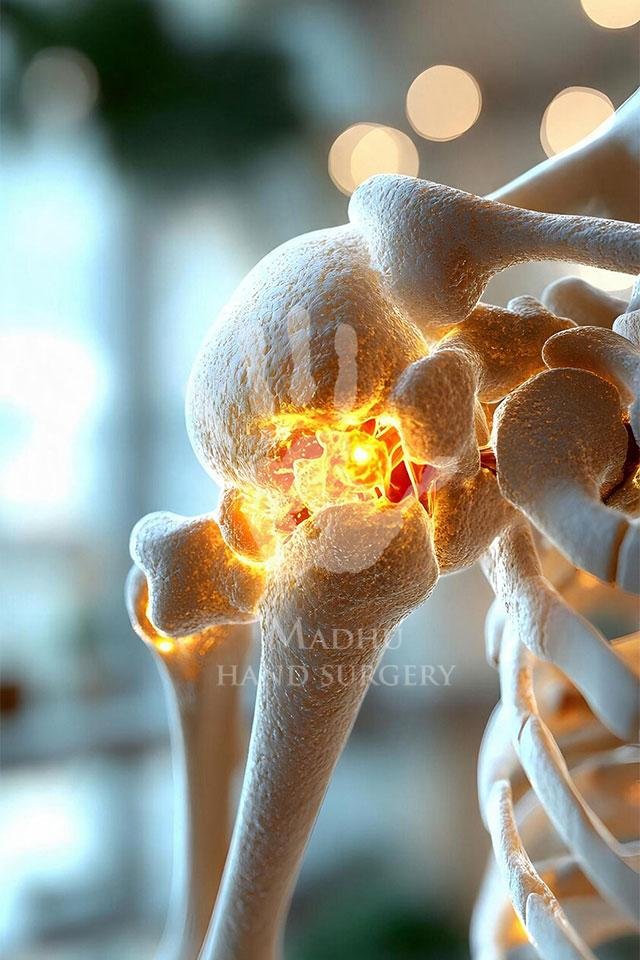
Your skeleton is living tissue. Throughout life, old bone is broken down by cells called osteoclasts, and new bone is built by osteoblasts. This process is known as bone remodeling.
Until about age 30, bone formation exceeds bone breakdown, which builds peak bone mass and bone density. After 40, and especially after 50, bone resorption starts to outpace bone formation. This is the first answer to Why Do Bones Become Weak After 50: the body simply rebuilds less bone than it removes, leading to low bone mineral density, thinner bone structure, and a higher risk of osteopenia and osteoporosis.
Why Do Bones Become Weak After 50? The Hormonal Reasons
Estrogen decline in women
Estrogen protects bones by slowing down osteoclast activity. After menopause, estrogen levels fall sharply, and women can lose up to 10% or more of their bone mass in the first 5 to 7 years. This is why postmenopausal osteoporosis is so common, and why women ask Why Do Bones Become Weak After 50 more often.
Testosterone decline in men
Men are not immune. Gradual testosterone reduction lowers bone strength, muscle mass, and balance, increasing the risk of hip fractures and spine fractures.
Other hormones
Thyroid disorders, parathyroid problems, and high cortisol can all accelerate bone loss.
Why Do Bones Become Weak After 50? Nutritional Deficiencies
Nutrition is a big hidden reason behind weak bones, and this is another key point in Why Do Bones Become Weak After 50:
- Calcium deficiency: Calcium is the main building block of bone. When dietary calcium is low, the body pulls it from your bones.
- Vitamin D deficiency: Vitamin D helps absorb calcium. Despite plenty of sunshine in India, vitamin D deficiency is very common due to indoor lifestyles, pollution, and limited sun exposure.
- Low protein intake: Protein supports bone matrix and muscle strength.
- Low vitamin K2, magnesium, and phosphorus: These nutrients help direct calcium into bone.

Why Do Bones Become Weak After 50? Lifestyle Factors You Shouldn’t Ignore
Ask yourself honestly: Why Do Bones Become Weak After 50 in your own life? Often the answer is lifestyle.
- Sedentary habits: Bones respond to load. Lack of weight-bearing exercise, walking, and strength training weakens bones.
- Smoking and alcohol: Both interfere with bone formation and calcium absorption.
- Excess caffeine and soft drinks: Very high intake can reduce calcium retention.
- Poor sleep and chronic stress: Raised cortisol levels contribute to bone loss.
- Low body weight: Being underweight is linked to lower bone density.
Why Do Bones Become Weak After 50? Medical Conditions and Medicines
Another important part of Why Do Bones Become Weak After 50 is the role of health conditions and long-term medications:
- Diabetes, rheumatoid arthritis, kidney disease, and liver disease
- Celiac disease and other gut absorption problems
- Long-term steroid (corticosteroid) use
- Certain anti-seizure drugs, acid-reducing medicines (PPIs), and some cancer treatments
If you take any of these, discuss bone health with your doctor and consider a bone density test.
Why Do Bones Become Weak After 50? Muscle Loss and Falls
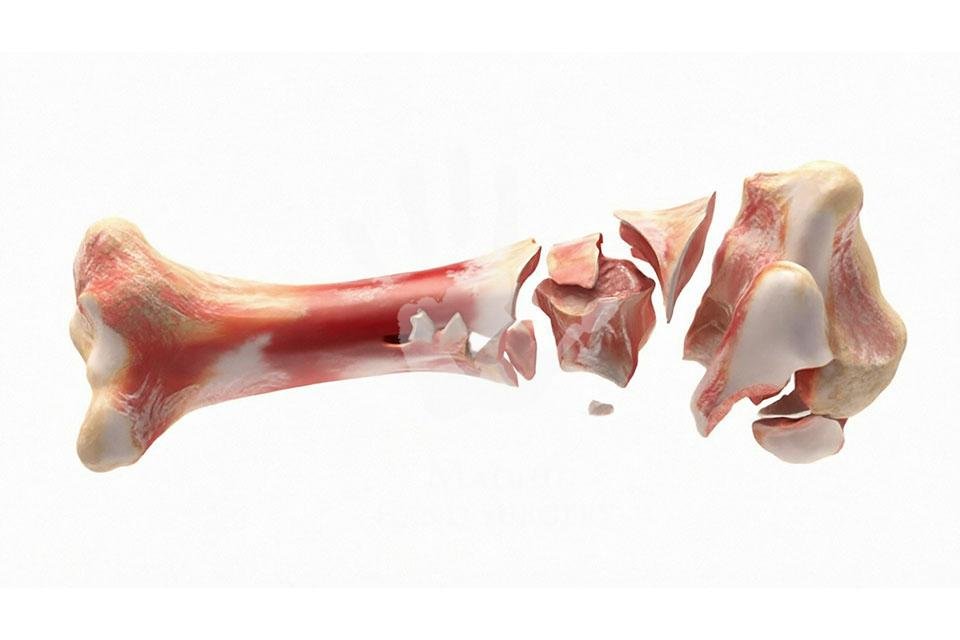
Muscle and bone weaken together. Age-related muscle loss (sarcopenia) reduces balance and strength, so falls become more likely. When bones are already fragile, even a minor fall can cause a wrist fracture, hip fracture, or vertebral compression fracture. This link between muscle weakness, falls, and fractures is one of the most overlooked answers to Why Do Bones Become Weak After 50.
Why Do Bones Become Weak After 50? Warning Signs of Osteoporosis
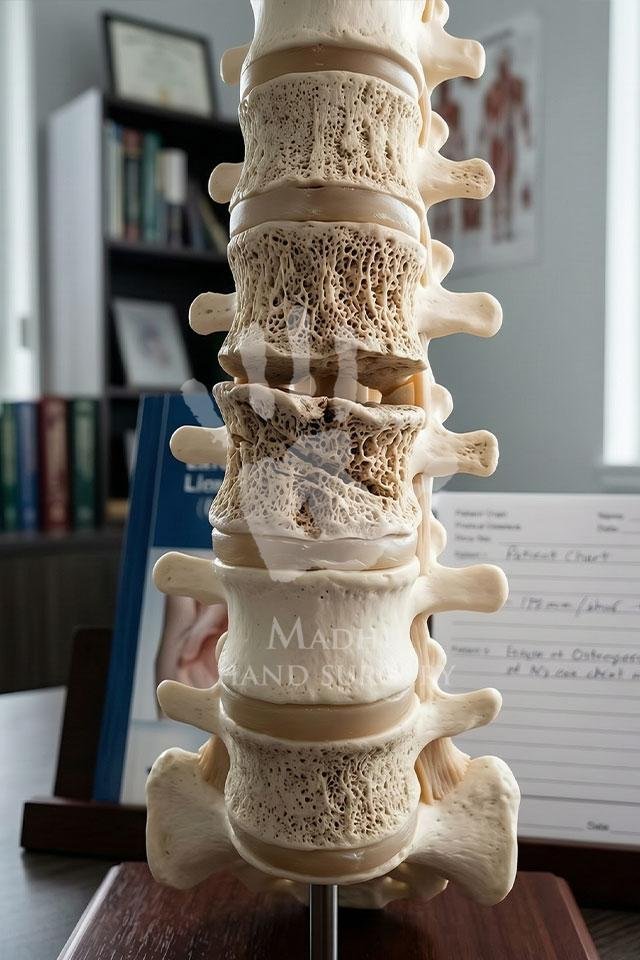
Osteoporosis is called a “silent disease” because bone loss has no symptoms until a fracture happens. Watch for:
- Persistent back pain or sudden spine pain
- Loss of height over time
- A stooped or hunched posture
- Fractures from minor falls or bumps
- Receding gums, brittle nails, or reduced grip strength
Knowing these signs is as important as knowing Why Do Bones Become Weak After 50.
Why Do Bones Become Weak After 50? Diagnosis and Testing
Early detection protects your bones. Recommended tests include:
- DEXA scan (bone density test): The gold standard to measure bone mineral density (T-score).
- Blood tests: Vitamin D, calcium, phosphorus, thyroid, and kidney function.
- FRAX score: Estimates your 10-year fracture risk.
Women after menopause and men over 50 with risk factors should speak to an orthopaedic specialist about screening.
Why Do Bones Become Weak After 50? Prevention and Treatment Tips
The good news about Why Do Bones Become Weak After 50 is that you can act on it:
- Eat bone-friendly foods: Milk, curd, paneer, ragi, sesame seeds, leafy greens, almonds, eggs, fish, and pulses.
- Get safe sun exposure: About 15 to 20 minutes of morning sunlight a few times a week, plus supplements if your doctor advises.
- Exercise regularly: Brisk walking, stair climbing, resistance training, yoga, and balance exercises.
- Avoid smoking and limit alcohol.
- Make your home fall-proof: Good lighting, non-slip mats, and grab bars.
- Medical treatment when needed: Calcium and vitamin D supplements, bisphosphonates, hormone-related therapy, or other bone-building medicines as prescribed.

Final Thoughts from Dr. Madhusudhan NC
So, Why Do Bones Become Weak After 50? Because of hormonal changes, slower bone remodeling, nutritional gaps, reduced activity, muscle loss, and certain medical conditions. The encouraging part is that strong bones are not just a matter of age. With early screening, a calcium-rich diet, vitamin D, regular exercise, and expert guidance, you can reduce fracture risk and stay active and independent for years.
If you are over 50 and have back pain, frequent fatigue, or a history of fractures, do not wait for a break to find out. Book a consultation with Dr. Madhusudhan NC for a complete bone health evaluation.
Why Choose Madhu Hand Surgery, Bangalore?
At Madhu Hand Surgery, Dr. Madhusudhan NC provides specialized, patient-focused care for the full range of hand and wrist conditions. From accurate diagnosis to advanced surgical treatment and rehabilitation, the goal is to help you return to normal life — free of pain and limitations.
If you’re in Bangalore and dealing with persistent hand or wrist pain, don’t wait for symptoms to worsen. The sooner you get an expert opinion, the sooner you can recover.
Book a consultation with Dr. Madhusudhan NC at Madhu Hand Surgery, Bangalore, today.

Book a Consultation with Dr.Madhusudhan NC
If you’re dealing with daily Hip or Back Pain and sleep is affected, consult Dr. Madhusudhan NC—orthopedic specialist, bone specialist, and ortho surgeon (Madhuhand Surgery | Bangalore Baptist Hospital). Correct diagnosis + correct positioning can make a major difference.
Clinic Details & Appointment
Madhu Hand Surgery & Orthopaedic Centre
#115, 11th Main Road, 4th Cross, Coffee Board Layout,
Hebbal Kempapura, Bangalore – 560024
Call for Consultation: 7899399839
Consultation Timings: Monday to Saturday, 6:30 PM – 8:30 PM
Disclaimer: This blog is for educational purposes only and does not replace personal medical advice. Please consult a doctor for diagnosis and treatment.