




Brachial Plexus Injury Treatment & Recovery
Learn about brachial plexus injury treatment & recovery with Dr. Madhusudhan at Madhu Hand Surgery. Get expert diagnosis, advanced care, and personalized rehabilitation.
As a surgeon with a special interest in brachial plexus reconstruction and upper limb function restoration, Dr. Madhusudhan N.C. frequently emphasizes that successful treatment is not just about repairing nerves but restoring meaningful function that improves a person’s daily life.
Can Brachial Plexus Injuries Recover Without Surgery?
Some injuries recover naturally.
Examples include:
✔ Stretch injuries
✔ Mild nerve bruising
✔ Partial injuries
Patients are closely monitored through:
- Clinical examinations
- Physiotherapy
- Repeat nerve studies
Not every patient requires surgery.
Treatment Options
Treatment depends on:
- Severity
- Type of injury
- Time since injury
- Age of the patient
- Functional goals
Non-Surgical Treatment
Appropriate for mild injuries.
Includes:
Physiotherapy
Helps:
- Maintain joint mobility
- Prevent stiffness
- Preserve muscle health
Splinting
May be used to protect joints and improve positioning.
Occupational Therapy
Focuses on improving daily function and independence.
Surgical Treatment
When recovery is not occurring, surgery may be recommended.
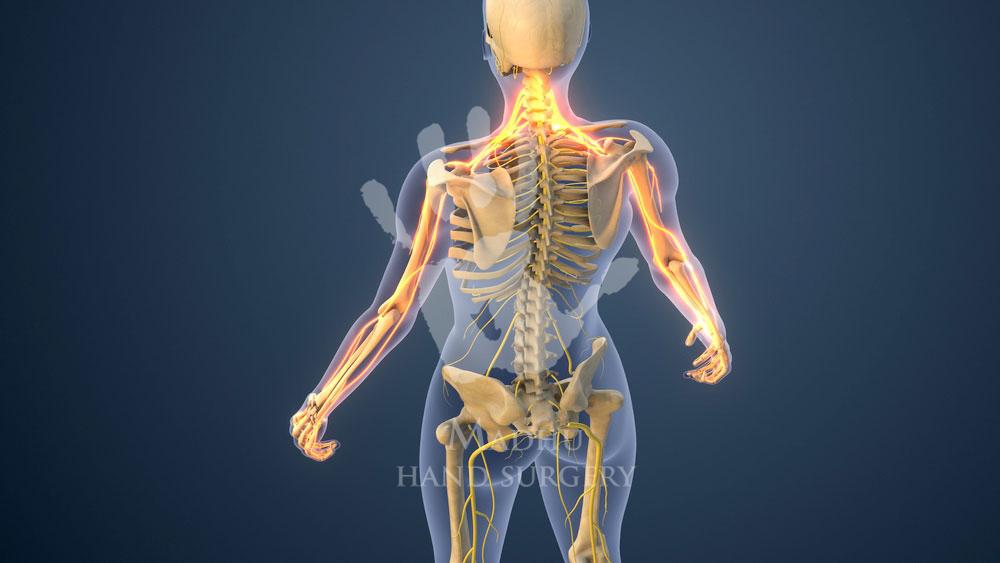
Nerve Grafting
Healthy donor nerves are used to bridge damaged segments.
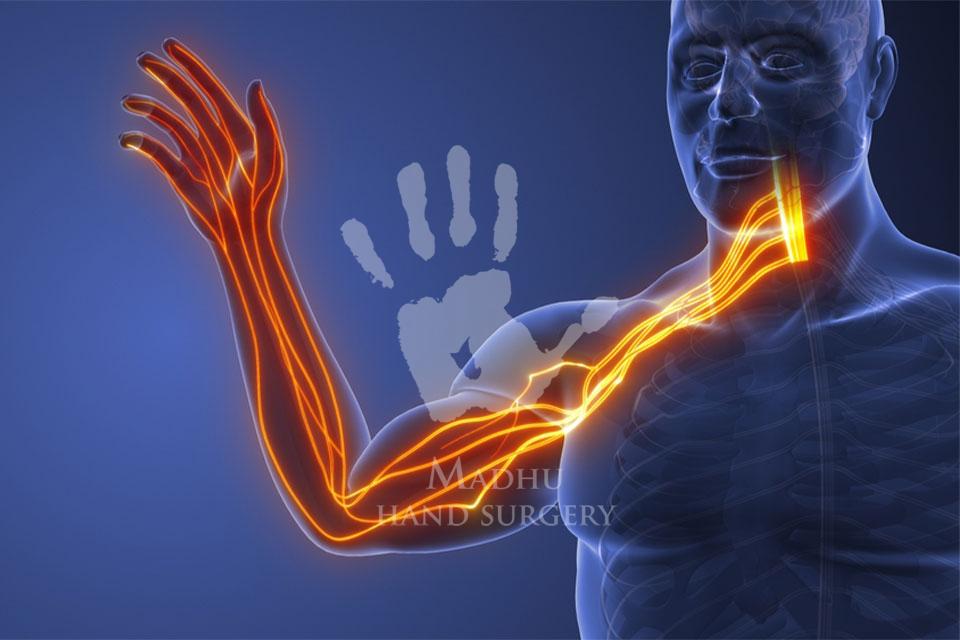
Nerve Transfers
One of the most important advances in brachial plexus surgery.
Functioning nerves are redirected to restore:
- Shoulder movement
- Elbow flexion
- Hand function
Tendon Transfers
Useful when nerve recovery is incomplete.
A functioning muscle-tendon unit is transferred to perform a lost function.
Free Functional Muscle Transfer
In severe injuries, a muscle from another part of the body can be transplanted to restore movement.
Why Timing Is Critical
One of the most important facts about brachial plexus injuries is:
“Nerves do not wait.”
If recovery is not occurring, delaying treatment can reduce surgical success.
Generally:
- Early evaluation is essential
- Surgical planning often occurs within the first few months after injury
- Waiting too long may reduce recovery potential
This is why timely referral to a specialist is important.
Recovery After Brachial Plexus Surgery
Recovery requires patience.
Nerves regenerate slowly—approximately 1 millimeter per day.
Recovery often involves:
✔ Physiotherapy
✔ Occupational therapy
✔ Strengthening exercises
✔ Regular follow-up
Improvement may continue for months or even years after surgery.
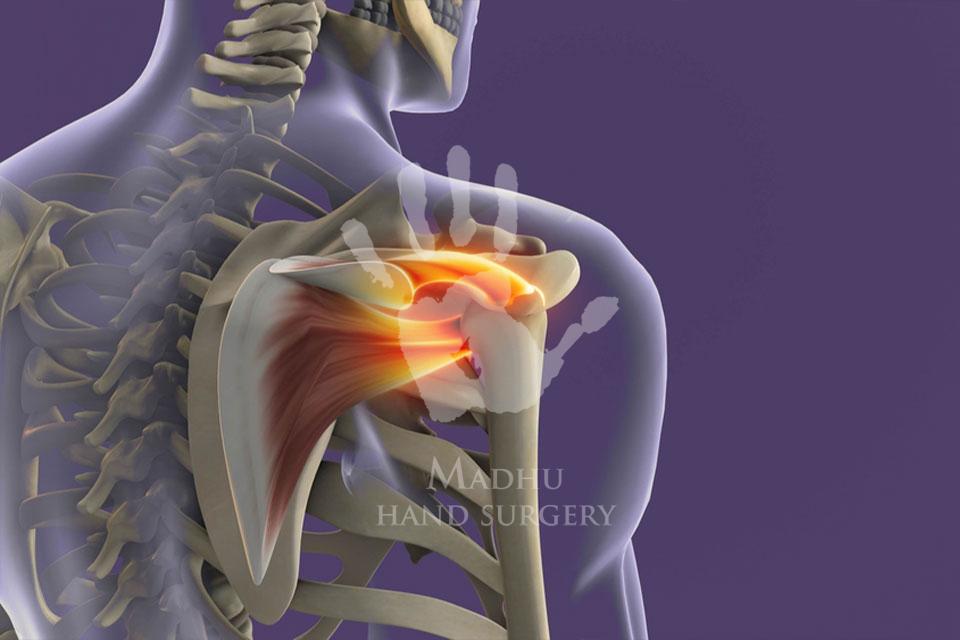
Living with a Brachial Plexus Injury
The goal of treatment is not simply nerve recovery.
The ultimate aim is to restore:
- Independence
- Functional movement
- Ability to work
- Ability to perform daily activities
- Quality of life
Modern reconstructive techniques have dramatically improved outcomes for many patients.
Frequently Asked Questions
Is a brachial plexus injury the same as a pinched nerve?
No. A brachial plexus injury usually involves significant damage to the nerve network supplying the arm.
Can brachial plexus injuries heal on their own?
Mild injuries often recover naturally. Severe injuries may require surgery.
How soon should I see a specialist?
As early as possible after the injury.
Is surgery always necessary?
No. Treatment depends on the type and severity of the injury.
Can hand function be restored?
Many patients experience significant functional improvement through a combination of surgery and rehabilitation.
Conclusion
Brachial plexus injuries are complex nerve injuries that can significantly affect shoulder, arm, and hand function. Early diagnosis, careful evaluation, and timely treatment are essential for achieving the best possible recovery.
Whether the injury is mild or severe, modern treatment options—including nerve transfers, tendon transfers, and rehabilitation—can help restore meaningful function and improve quality of life.
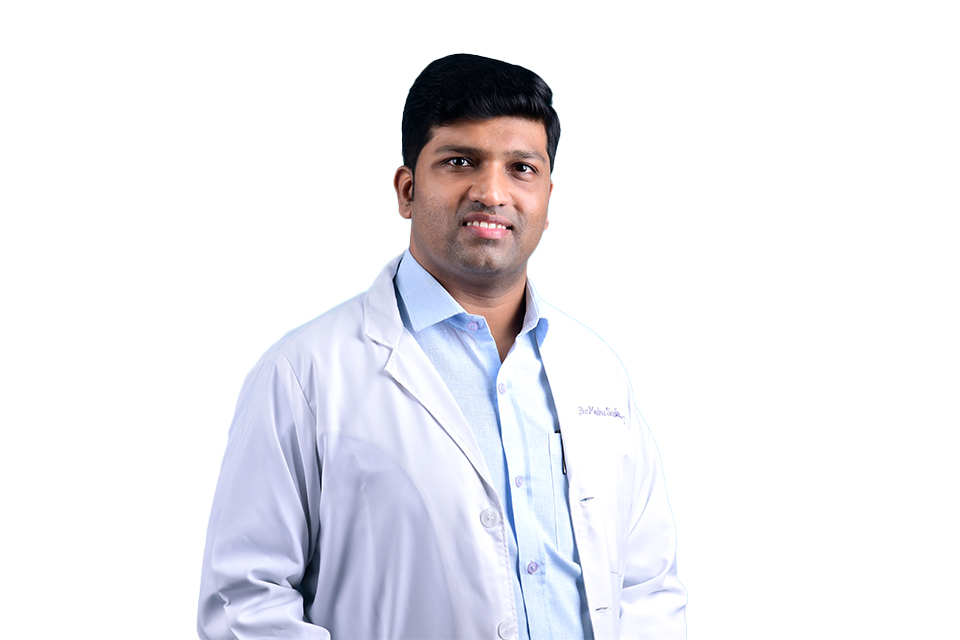
About Dr. Madhusudhan N.C.
Dr. Madhusudhan N.C. is an Orthopedic & Hand Surgery Specialist with a special interest in brachial plexus reconstruction, peripheral nerve surgery, hand surgery, microsurgery, fracture management, and upper limb reconstruction. He follows a conservative-first, evidence-based approach, focusing on restoring function and improving quality of life for patients with complex upper limb injuries.
He is also:
✔ Editorial Board Member – Journal of Hand Surgery (Asia-Pacific Volume)
✔ Recognized among the Top 10 Prominent Hand & Upper Limb Surgeons – 2026
Clinic Details & Appointment
Madhu Hand Surgery & Orthopaedic Centre
#115, 11th Main Road, 4th Cross, Coffee Board Layout,
Bangalore – 560024
Call for Consultation: 7899399839
Consultation Timings: Monday to Saturday, 6:30 PM – 8:30 PM