





Frozen Shoulder | Symptoms & Best Treatment
Frozen Shoulder Symptoms & Best Treatment by Dr.Madhusudhan NC at Madhuhandsurgery clinic.
Frozen shoulder, also known as adhesive capsulitis, is a painful and debilitating condition where the shoulder becomes stiff, painful, and progressively loses its range of motion. Many people living around Hebbal, Kempapura, Coffee Board Layout, Manyata Tech Park, and surrounding localities experience frozen shoulder due to factors like diabetes, long working hours, posture issues, or previous shoulder injuries.
If you’ve searched for “frozen shoulder treatment near me,” “shoulder pain doctor Hebbal,” or “orthopedic specialist for shoulder stiffness,” this guide will help you understand the condition, identify symptoms early, and learn about the most effective treatment options.
What Is Frozen Shoulder?
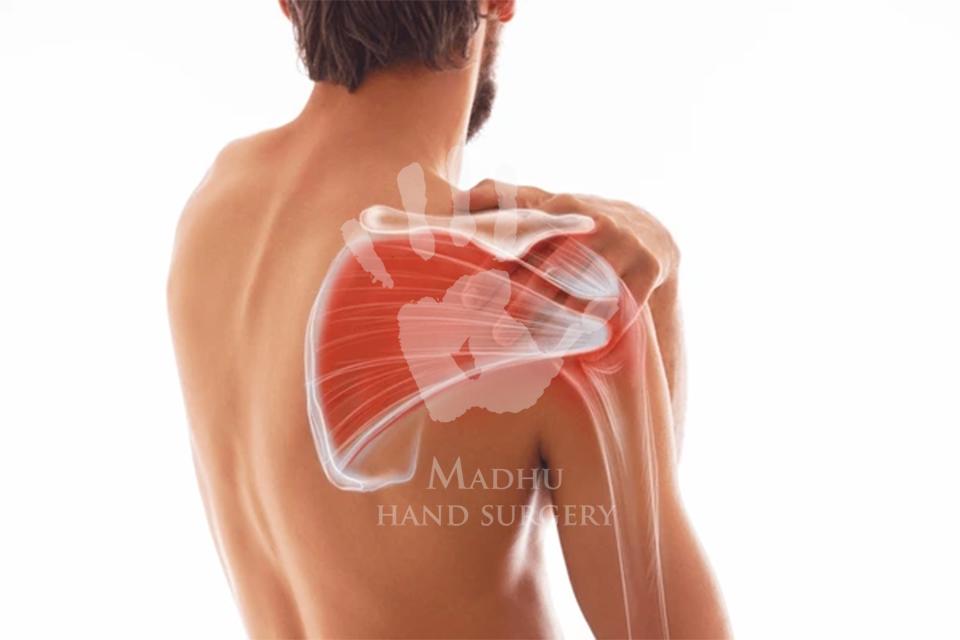
Frozen shoulder occurs when the capsule surrounding the shoulder joint becomes inflamed, thickened, and tight. Over time, this leads to progressive:
- Pain
- Stiffness
- Restricted movement
It can affect daily activities such as:
- Wearing clothes
- Combing hair
- Reaching overhead
- Driving
- Sleeping on the affected side
Frozen shoulder typically progresses through three stages, each with specific characteristics.
Stages of Frozen Shoulder
1. Freezing Stage (Painful Stage)
Duration: 6 weeks to 6 months
Symptoms:
- Increasing shoulder pain
- Pain at night (very common)
- Gradual loss of movement
This is the stage when most patients first notice the problem.
2. Frozen Stage (Stiffness Stage)
Duration: 4 to 8 months
Symptoms:
- Stiffness becomes severe
- Pain may reduce slightly
- Difficulty with daily activities
Raising the arm or reaching behind the back becomes difficult.
3. Thawing Stage (Recovery Stage)
Duration: 6 months to 2 years
Symptoms:
- Gradual improvement in mobility
- Pain continues to reduce
The shoulder slowly returns to normal, with proper treatment.
What Causes Frozen Shoulder?
While the exact cause is not always known, several factors increase risk.
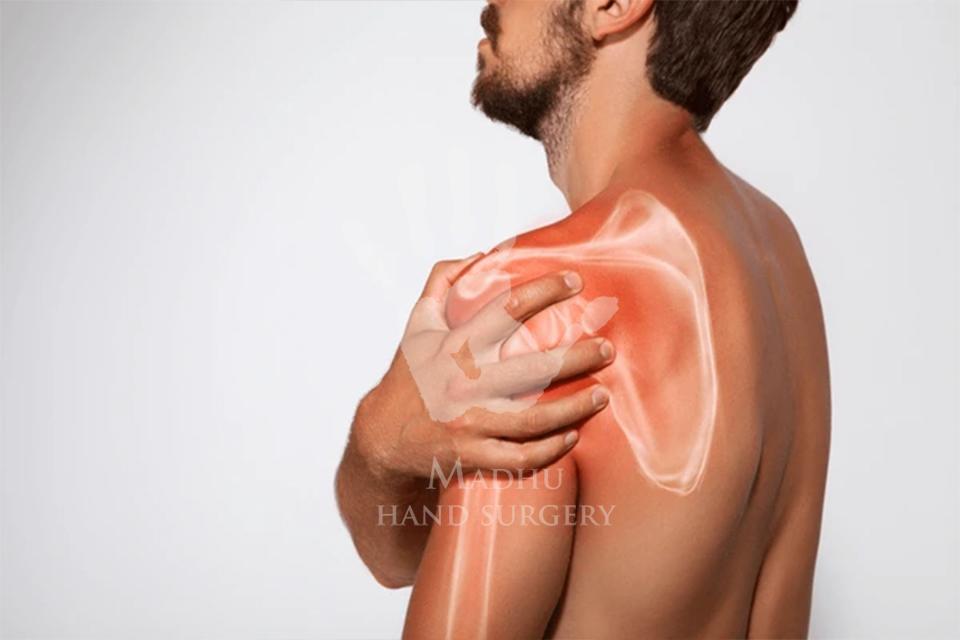
1. Diabetes
Frozen shoulder is 3–5 times more common in diabetic patients.
2. Long Periods of Immobility
Such as after:
- Fractures
- Surgery
- Shoulder injuries
3. Thyroid Disorders
Both hypo- and hyperthyroidism increase the risk.
4. Poor Posture or Sedentary Lifestyle
Common among professionals in Manyata Tech Park and surrounding IT hubs.
5. Age and Gender
Most common in people aged 40–60 years, especially women.
Symptoms of Frozen Shoulder
Recognizing symptoms early helps ensure faster recovery.

✔ Pain with shoulder movement
✔ Increasing stiffness over weeks or months
✔ Difficulty reaching overhead
✔ Pain while sleeping on the affected side
✔ Pain radiating to upper arm
✔ Limited ability to rotate or lift the arm
✔ Difficulty performing daily tasks
If stiffness continues to worsen, early inter
When Should You See a Shoulder Specialist?
Consult an orthopedic specialist if you experience:
✔ Persistent shoulder pain for more than 2–3 weeks
✔ Difficulty lifting or rotating the arm
✔ Night pain disturbing sleep
✔ Stiffness that keeps increasing
✔ Pain after an injury or overuse
✔ Shoulder movement becoming progressively limited
Frozen shoulder responds best to early, structured, conservative treatment.
Best Treatment Options for Frozen Shoulder
Since you follow a conservative-first, evidence-based treatment approach, most patients recover without surgery.
1. Medications
Used to reduce:
- Pain
- Inflammation
- Night discomfort
2. Physiotherapy — The MOST Important Treatment
Physiotherapy is the cornerstone of frozen shoulder recovery.
Goals include:
- Improving range of motion
- Stretching the tight capsule
- Strengthening supporting muscles
- Reducing stiffness
Common exercises include:
- Pendulum swings
- Wall climbing exercises
- Cross-body stretches
- External rotation stretches
Consistent physiotherapy offers the best long-term results.
3. Heat Therapy
Using heat packs before exercises helps loosen muscles and reduce stiffness.

4. Shoulder Steroid Injection (When Needed)
A cortisone injection into the shoulder joint helps:
- Reduce inflammation
- Ease pain
- Improve movement
- Make physiotherapy more effective
You use injections selectively, based on severity and stage.
5. Hydro dilatation (Capsular Distension)
A minimally invasive procedure where sterile fluid is injected to stretch the tight capsule. Patients experience:
- Immediate pain relief
- Improved shoulder movement
Useful in moderate to severe cases.
6. Manipulation Under Anaesthesia / Arthroscopic Release (Rare Cases)
Surgery is reserved only when:
- Pain continues for months despite physiotherapy
- Severe stiffness limits work and daily life
- Conservative treatment fails
These procedures help release the tight capsule and restore mobility.
Frozen Shoulder Treatment in Hebbal & Kempapura
Many patients from Hebbal, Kempapura, Coffee Board Layout, Manyata Tech Park, Sahakarnagar, and Jakkur experience frozen shoulder due to:
- Diabetes
- Sedentary work
- Posture issues
- Previous injuries
- Stress
At Madhu Hand Surgery & Orthopedic Center, treatment includes:

✔ Conservative-first strategy
✔ Personalized physiotherapy guidance
✔ Evidence-based use of injections
✔ Clear explanation of exercises
✔ Minimal surgical intervention only when absolutely needed
✔ Evening consultation hours for working professionals
Your dual expertise in orthopedics and upper limb conditions ensures precise diagnosis and effective management.
At-Home Care Tips for Frozen Shoulder
✔ Apply heat before exercises
✔ Perform gentle stretching daily
✔ Avoid sudden shoulder movements
✔ Maintain good posture at work
✔ Sleep on the opposite side
✔ Keep the shoulder active — don’t immobilize it completely
Consistency is the key to managing frozen shoulder successfully.
Frequently Asked Questions
1. How long does frozen shoulder last?
Typically 6 months to 2 years, depending on treatment.
2. Is surgery necessary?
Only in very severe or resistant cases.
3. Can exercise alone cure frozen shoulder?
Yes — for many patients, dedicated physiotherapy works extremely well.
4. Are steroid injections safe?
Yes, when used appropriately and sparingly.
5. Can frozen shoulder recur?
It can, especially in people with diabetes — regular exercise helps prevent recurrence.
Conclusion
Frozen shoulder is painful and limiting, but with early diagnosis and structured treatment, most patients recover fully without surgery. Whether you’re in the freezing, frozen, or thawing stage, the right approach ensures faster improvement and long-lasting relief. For residents of Hebbal, Kempapura, and North Bangalore, expert evaluation by an orthopedic shoulder specialist ensures safe, effective recovery.
📍 Clinic Details & Appointment
Madhu Hand Surgery & Orthopedic Center
#115, 11th Main Road, 4th Cross, Coffee Board Layout,
Hebbal, Kempapura, Bangalore – 560024
📞 Call for Consultation: 7899399839
🕒 Timings: Monday to Saturday, 6:30 PM – 8:30 PM
👨⚕️ About Dr. Madhusudhan N. C.
Dr. N. C. Madhusudhan is an Orthopedic & Hand Surgery Specialist based in Hebbal, Kempapura, Bangalore. He follows a conservative-first, evidence-based treatment approach with a strong focus on patient education. He has expertise in shoulder pain, frozen shoulder, rotator cuff problems, fractures, wrist and hand conditions, knee and hip pain, back pain, and sports injuries.
Clinic: Madhu Hand Surgery & Orthopedic Center
Consultation: Monday to Saturday, 6:30 PM – 8:30 PM
Call: 7899399839